Millennial’s Online Shopping Statistics 2025

Millennials, born between 1981 and 1996, are one of the biggest groups of online shoppers today. With over 1.8 billion millennials worldwide, they make up about 23% of the global population. This tech-savvy group is reshaping the retail landscape, as 91% of them prefer to shop online rather than in physical stores. Their online shopping habits are driving trends, with millennials spending an average of $208.77 per day, outpacing other generations in spending power.
In the U.S. alone, there are more than 83 million millennials, which is around 21% of the total population. They hold a combined spending power of over $2.5 trillion worldwide and are responsible for 30% of all retail spending in the U.S.
In this blog, we will examine millennial shopping behaviors and preferences more closely, exploring the statistics that show how they are shaping the future of online retail.
Millennials Online Shopping Statistics 2025 (Editor’s Picks)
- 36% of Millennials purchase products based on an influencer’s recommendation.
- On average, Millennials spend $208.77 per day, which is more than any other generation.
- 83% of millennials favor brands that align with their values.
- 54% of Gen Z are even more inclined to spend more on sustainable products.
- 29% of Millennials prefer to shop online, while 18% prefer in-store shopping.
- By 2030, Millennials are expected to spend 31% of their budget on retail, up from 27% in 2020.
- Around 50% of Millennials are willing to pay an extra 10% for sustainable products.
- 15% of Millennials shop online at least once daily.
- 73% of Millennials shop online using their mobile phones.
What Do Millennials Like to Buy
62% of Millennials prefer spending on health and wellness products, making it their top choice. Electronics and technology come next, with 59% showing interest in this category.
Clothing and fashion follow closely, with 58% of Millennials spending on these items. This trend highlights Millennials’ strong focus on personal well-being and interest in staying updated with the latest tech
.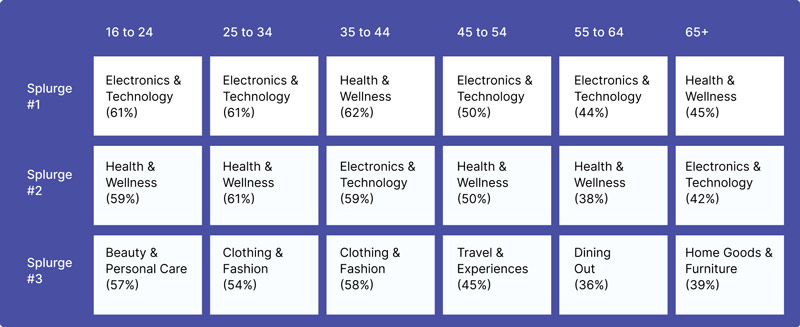
Source: 2024 Consumer Report
Deciding factor for millennials when shopping
Approximately 43% of Millennials find word of mouth to be the most persuasive content when deciding to buy from a brand. Additionally, 40% of Millennials are influenced by customer reviews or testimonials, which provide insights and experiences from other buyers.
Meanwhile, media coverage, including print, online, TV, and radio, influences 33% of Millennials when they choose a brand. In comparison, only 19% of Millennials are influenced by user-generated content, such as TikTok videos, making it the least effective method for driving their purchasing decisions.
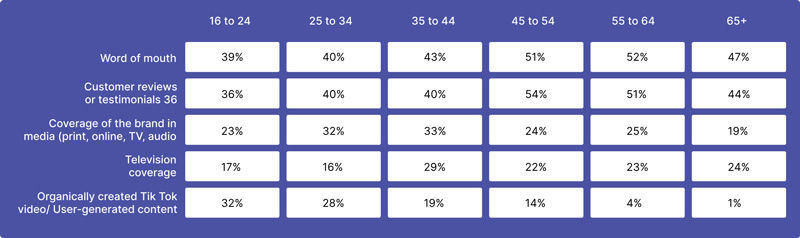
Source: 2024 Consumer Report
Millennials are more Budget Conscious
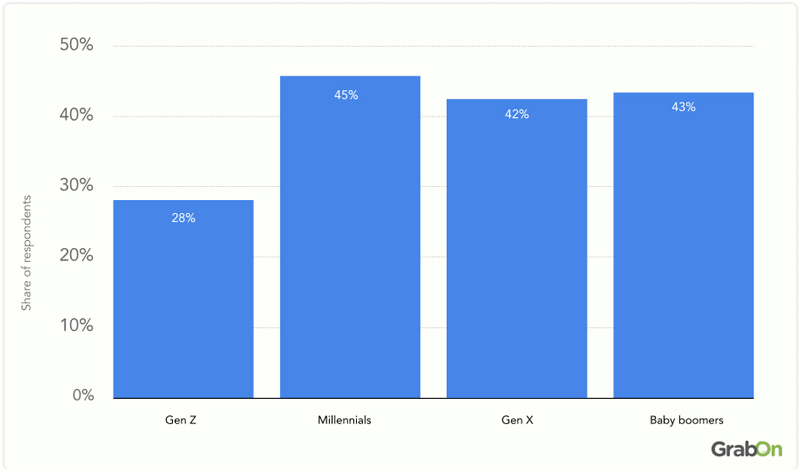
In the U.S., 45% of Millennials are highly focused on budgeting and plan to buy only what they need in the future due to financial concerns. Baby Boomers follow closely, with 43% being mindful of their spending. In contrast, only 28% of Gen Z are budget-conscious, indicating they are less concerned about their spending habits.
This data suggests that older generations tend to be more budget-conscious because they have larger financial responsibilities, such as retirement savings and mortgages. In contrast, younger generations often face fewer financial obligations, which allows them to be more flexible in their spending.
Here’s a table of budget-conscious percentages by generation in the U.S.
| Generations | % of Users who are budget-conscious |
| Millennials | 45% |
| Baby Boomers | 43% |
| Gen X | 42% |
| Gen Z | 28% |
Source: Statista
Millennials are more brand-conscious
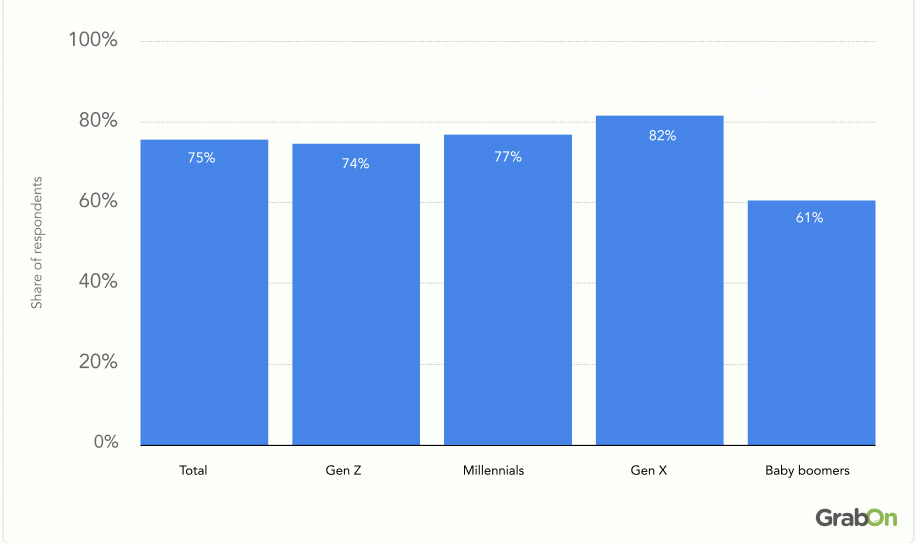
82% of Gen X consumers are influenced to buy products because they trust the brand name, making them the most brand-loyal generation. Millennials follow closely, with 77% choosing products based on brand popularity.
In contrast, only 61% of Baby Boomers make purchasing decisions based on a trusted brand name, making them the least influenced by brand trust among these groups. Overall, the data highlights the importance of building and maintaining brand trust, especially for reaching and retaining Millennial customers.
Here is a table showing U.S. consumers who buy from brands they trust
| Generations | % of Users Who Buy by Brand Name |
| Total | 75% |
| Gen Z | 74% |
| Millennials | 77% |
| Gen X | 82% |
| Baby Boomers | 61% |
Source: Statista
74% of Millennials are Impulsive Buyers
70% of Millennials often make impulsive purchases, showing a strong tendency for spontaneous buying. In comparison, 63% of Gen Z also make impulsive purchases, but not as frequently as Millennials. This indicates that while both generations are prone to unplanned buying, Millennials do it more often.
Source: Radical
Millennials are more likely to engage in impulse spending
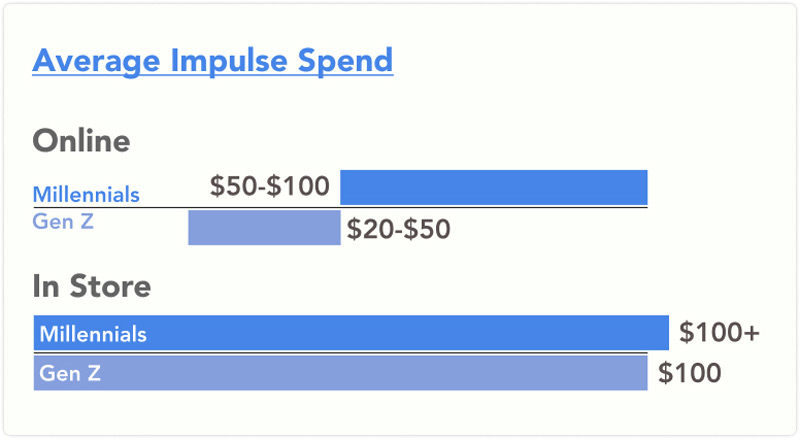
Millennials typically spend between $50 and $100 online and over $100 in physical stores. In contrast, Gen Z usually spends $20 to $50 online and about $100 in-store.
This pattern shows that Millennials are more inclined to make larger impulse purchases compared to Gen Z. Whether shopping online or in-store, Millennials tend to spend more on spontaneous buys.
Source: Radical
Millennials Prefer sustainable products
Half of Millennials are willing to pay an additional 10% for sustainable products. This indicates that Millennials are ready to invest a bit more in products that are better for the environment. In comparison, 54% of Gen Z are even more inclined to spend more on sustainable options.
Overall, this data shows that both Millennials and Gen Z value sustainability, but Gen Z has a greater willingness to pay more for environmentally friendly products.
Source: Radical
45% of Millennials see themselves as content creators
21% of consumers consider themselves content creators or influencers. However, this number increases to 45% among Gen Z and Millennials. This shows that Millennials play a major role in the digital space, as they are more involved in shaping what people see and interact with online.
Source: HubSpot
45% of millennials prefer purchasing new brands through social media
4 out of 10 millennials are making purchases from new brands they discover on social media, marking a rise from 35% just a year ago. This growing trend illustrates how millennials are increasingly using social media as a trusted space not just for entertainment, but also for shopping and exploring new products.
Source: Capgemini Consumer Trend
33% of Millennials purchase products from influencers and celebrities
33% of millennials buy products promoted by influencers and celebrities, showing how much they are influenced by them. Gen Z is the most influenced, with 45% making purchases based on influencer recommendations, while millennials are in third place at 33%. On the other hand, baby boomers are less influenced, with only 9% of them buying from influencers or celebrities.
Overall, younger generations, especially Gen Z and millennials, are leading the trend of buying from influencers, making social media a key platform for brands targeting these groups.
| Generations | % of millennials who purchased from influencers or celebrities |
| Global | 24% |
| Gen Z | 45% |
| Millennials | 33% |
| Gen X | 23% |
| Boomers | 9% |
Source: Capgemini Consumer Trend
Millennials Retail Spending Prediction
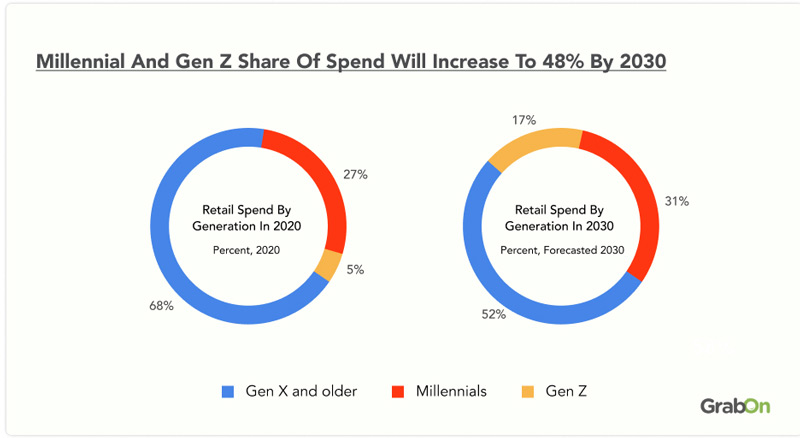
By 2030, Millennials are expected to spend 31% of their budget on retail, up from 27% in 2020, indicating a 14.8% increase. In comparison, Gen Z’s retail spending is projected to increase significantly to 17%, marking a 240% rise from 5% in 2020.
This shows that Millennials and Gen Z will be the primary drivers of growth in retail spending while spending by Gen X and older generations is expected to decrease.
Source: After Pay Web Report
Most Preferred Technology Utilized by Millennials While Shopping
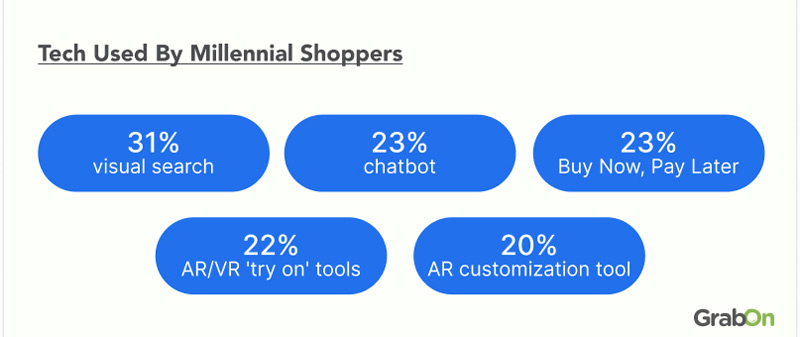
31% of Millennials use visual search to find products, this shows their preference for image-based searches. Additionally, 23% of Millennials prefer using chatbots and Buy Now, Pay Later services, which offer interactive customer support and flexible payment options.
Another 22% use AR/VR try-on tools, allowing them to virtually experience products before buying. Meanwhile, 20% use AR customization tools to personalize their products.
Overall, this data shows that Millennials are drawn to technology that enhances convenience, offers personalized experiences, and makes shopping more engaging.
Here is a table showing the various technologies Millennials use for online shopping
| Tech | % of Millennials Shoppers |
| Visual Search | 31% |
| Chatbot | 23% |
| Buy Now, Pay Later | 23% |
| AR/VR ‘try on’ tools | 22% |
| AR Customization Tool | 20% |
Source: Roundel Report
Generational Preferences for Click-and-Mortar Shopping
31% of Millennials prefer click-and-mortar shopping, which combines online and in-store experiences. In contrast, 60% of Baby Boomers and Seniors opt for this shopping method, making them the largest group in terms of adoption. On the other hand, only 29% of Gen X choose click-and-mortar shopping, indicating it is the least favored among the generations.
Source: Visaacceptance
Millennials Prefer Buying Secondhand Apparel Online Over In-Store
45% of Gen Z and Millennials prefer buying secondhand apparel online. This highlights their preference for the convenience and variety that online shopping offers. In contrast, only 38% of this demographic choose to shop for secondhand clothing in physical stores.
Source: ThredUp
35% of Millennials Prefer Brands Offering Both New and Secondhand Apparel
26% of consumers prefer shopping with brands that offer both secondhand and new apparel. This preference is even more evident among Gen Z and Millennials, with 35% of these shoppers showing a stronger inclination toward brands that combine both types of clothing.
Source: ThredUp
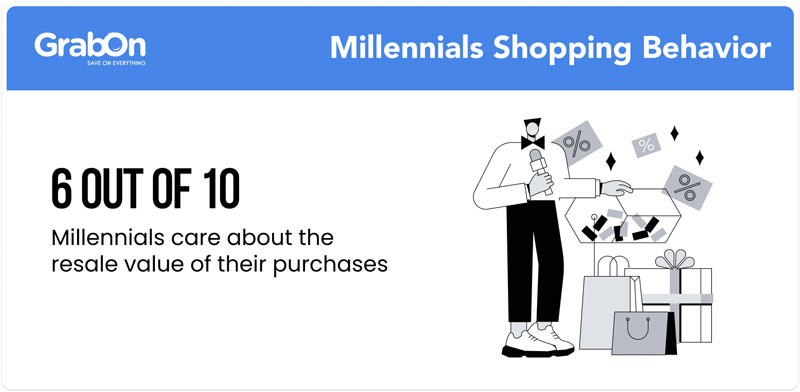
60% of Millennials prioritize resale value while buying apparel
60% of Gen Z and Millennials consider resale value an important factor when purchasing apparel. This highlights a trend among younger generations who are more conscious of the long-term value and sustainability of their fashion choices.
Source: ThredUp
Second-hand apparel is the first preference of Millennials
5 out of 10 Millennials say that their primary source for finding deals on clothing is secondhand options. This indicates that a significant number of Millennials prioritize secondhand apparel as their first choice for finding affordable fashion.
Source: ThredUp
Where Do Millennials Like To Buy
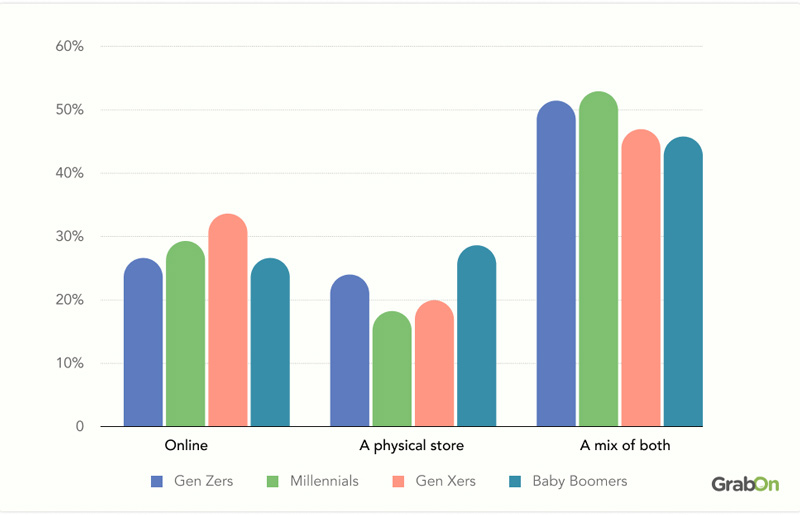
53% of Millennials prefer a mix of online and in-store shopping, the highest percentage among all generations, reflecting their desire for flexibility in their shopping habits. In comparison, only 29% of Millennials prefer shopping online exclusively, and 18% prefer in-store shopping alone. Gen Z follows closely, with 51% favoring a combination of both shopping methods.
Overall, Millennials and Gen Z demonstrate a strong preference for a hybrid shopping approach, combining online and in-store experiences. This trend highlights the importance of offering flexible shopping options to cater to evolving consumer preferences.
Here is a table showing shopping preferences across different generations
| Generations | Mode of Shopping | % of Shopper’s Preference |
|---|---|---|
| Gen Z | Online | 26% |
| In-Store | 23% | |
| A Mix of Both | 51% | |
| Millennials | Online | 29% |
| In-Store | 18% | |
| A Mix of Both | 53% | |
| Gen X | Online | 33% |
| In-store | 20% | |
| A Mix of Both | 47% | |
| Baby Boomers | Online | 26% |
| In-store | 28% | |
| A Mix of Both | 46% |
Source: Satisfy
Online Shopping Frequency by Generation
28% of Millennials shop online several times per week, which makes them the most frequent online shoppers among the different generations. Additionally, around 26% of them shop once per week, with 10% shopping online every day.
On the other hand, 14% of Millennials shop online once a month, while only 1% shop less than once a year. This data highlights the strong online shopping habits among Millennials, with most engaging in regular online purchases.
Here is the table showing how frequently shoppers shop online by generation
| Frequency | Generations | |||
| Gen Zers | Millennials | Gen Xers | Baby Boomers | |
| Daily | 10% | 10% | 15% | 6% |
| Several times per week | 21% | 28% | 24% | 19% |
| Once per week | 26% | 26% | 23% | 24% |
| Several times per month | 20% | 15% | 16% | 18% |
| Once per month | 14% | 14% | 13% | 17% |
| Every few months | 8% | 6% | 7% | 14% |
| Less than once per year | 1% | 1% | 2% | 1% |
| No online purchases | 0% | 0% | 1% | 2% |
Source: Satisfy
Midnight Shopping Spend By Generations
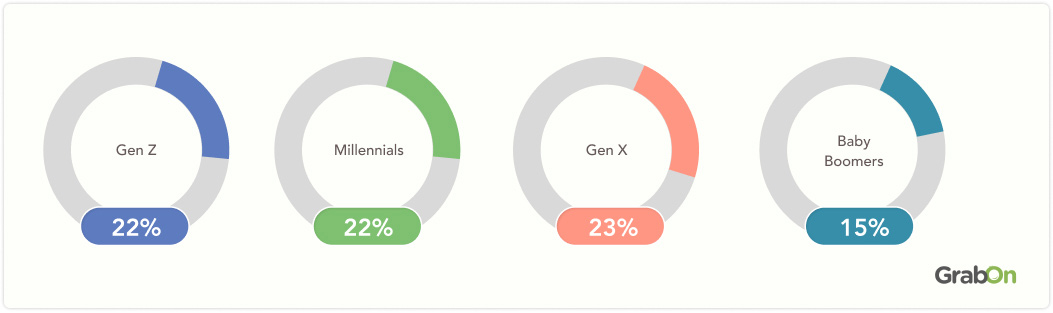
22% of Millennials shop online after midnight, which is the same as Gen Z. This shows that both Millennials and Gen Z often make late-night online purchases. Gen X shops online after midnight slightly more, with 23%, while Baby Boomers are the least likely, at 15%. Overall, Millennials and Gen Z are more likely to shop online late at night compared to other generations.
Here is the table showing the percentage of late-night online shoppers by generation
| Generations | % of Online Buyers Shop After Midnight |
| Gen Z | 22% |
| Millennials | 22% |
| Gen X | 23% |
| Baby Boomers | 15% |
Source: Satisfy
Social Media Shopping Trends by Generation
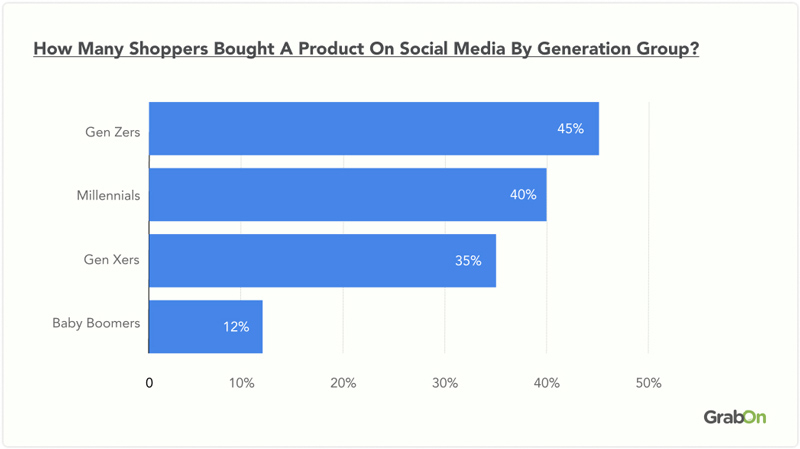
40% of Millennials make purchases through social media. Conversely, Gen Z leads with 45%, showing the highest level of social media shopping among the generations. Baby Boomers are the least engaged, with only 12% making purchases through social media. This data reflects how younger generations are propelling the trend of social media shopping, while older generations are less involved.
Here’s the table showing social media shopping by generation
| Generations | % of Shoppers Brought on Social Media |
| Gen Z | 45% |
| Millennials | 40% |
| Gen X | 35% |
| Baby Boomers | 12% |
Source: Satisfy
Factors Influencing Social Media Purchases by Generation
For Millennials, the factors influencing their social media purchases are diverse. 38% of Millennials are most influenced by exclusive discounts or promotions when shopping on social media, making it the most significant factor for this generation.
Meanwhile, 16% are swayed by recommendations from influencers, and around 12% of them are influenced by personalized product recommendations. Interactive content, such as polls, influences only 1% of Millennials.
Across generations, exclusive discounts or promotions are the most influential factor in social media shopping, with Baby Boomers showing the strongest preference. Overall, understanding these preferences can help brands tailor their social media strategies to effectively target different generational groups.
Table Showing Factors Influencing Social Media Purchases by Generation
| Factor | Generations | |||
| Gen Zers | Millennials | Gen Xers | Baby Boomers | |
| Influencer Recommendation | 32% | 16% | 25% | 9% |
| Exclusive Discount or Promotion | 26% | 38% | 36% | 47% |
| User-Generated Content (UGC) | 12% | 11% | 9% | 10% |
| Live Shopping Event | 11% | 11% | 8% | 6% |
| Personalized Product Recommendation | 10% | 12% | 10% | 6% |
| Seamless Shopping Experience | 7% | 7% | 10% | 14% |
| Interactive Content (e.g., polls) | 2% | 1% | 1% | 1% |
Source: Satisfy
How do Millennials Like to Pay
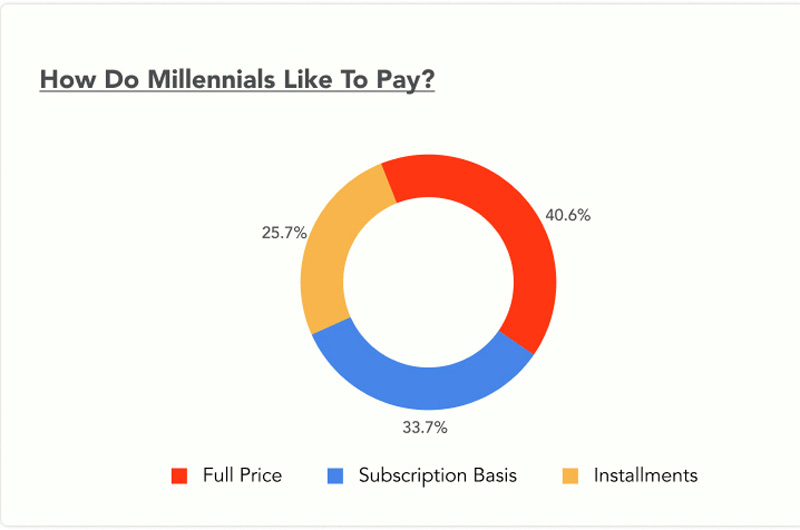
Around 40% of millennials prefer to purchase products at full price, this shows a clear inclination towards one-time payments. While approximately 33% of millennials opt for a subscription-based model. Meanwhile, 25.7% choose to pay in installments, this allows them to spread the cost over time, making higher-priced items more manageable.
Overall, by offering a variety of payment methods, businesses can better cater to the diverse preferences of Millennial consumers, enhancing their shopping experience and satisfaction.
Here is the table displaying Millennial’s preferred payment methods
| Payment Models | % of Millennials prefer to pay |
| Full Price | 40.6% |
| Subscription Basis | 33.7% |
| Installments | 25.7% |
Source: Hubspot
How Do Millennials Shop Online
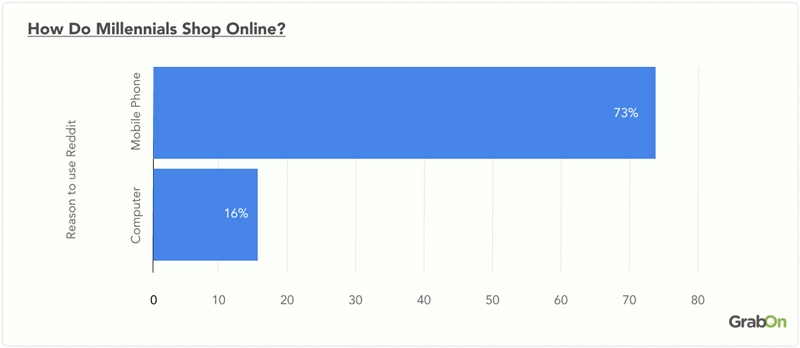
73% of Millennials shop online using their mobile phones. This shows a strong preference for mobile devices when making purchases. In contrast, only 16% of Millennials use computers for online shopping. This data shows that Millennials prefer mobile shopping due to its convenience and ease of use.
Here is the table showing Millennials’ online shopping behavior
<thead
| Devices | % of Millennials Shop Online |
| Mobile Phone | 73% |
| Computer | 16% |
Source: Hubspot
Millennial Online Shopping Statistics
- 44% of U.S. Millennials shop online either daily or weekly.
- Millennials are 8.5% more likely than the average American consumer to shop online at least once a week.
- 75.6% of Millennials have purchased groceries online in the past 30 days.
- 38% of Millennials prefer online shopping over in-store shopping.
Social Media Impact on Purchases by Generation
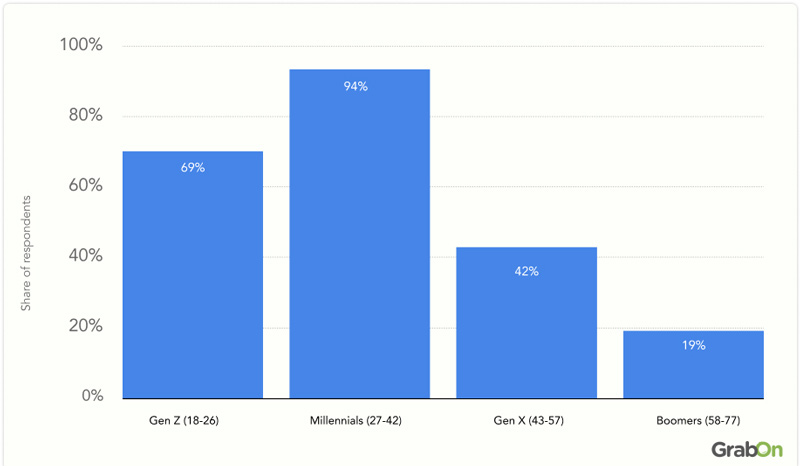
94% of Millennials make a purchase after seeing a product on social media. This indicates the significant impact of social media on their purchasing decisions. Following closely is Gen Z, with 69% of them buying products after seeing them on social media. Only 19% of Baby Boomers do the same, which is the lowest percentage among all generations.
Overall, this data shows the dominant role social media plays in influencing purchase behavior, especially among younger generations like Millennials and Gen Z.
| Generations | % of shoppers who bought after seeing it on social media |
| Gen Z | 69% |
| Millennials | 94% |
| Gen X | 42% |
| Baby Boomers | 19% |
Source: Statista
Social Media Use for Product Information by Generation in the U.S
29% of Millennials in the US use social media to find product information. Gen Z leads with 35%, making them the top users of social media for finding product details. In contrast, Baby Boomers use social media for product searches the least, with only 2% engaging in this activity.
Overall, the data highlights that Millennials and Gen Z are the most active in using social media for product research compared to other generations.
| Generations | % of shoppers using social media for product information |
| Gen Z | 35% |
| Millennials | 29% |
| Gen X | 14% |
| Baby Boomers | 2% |
Source: Statista