How to Choose the Right Web Hosting Company in 2026 (Expert Guide)

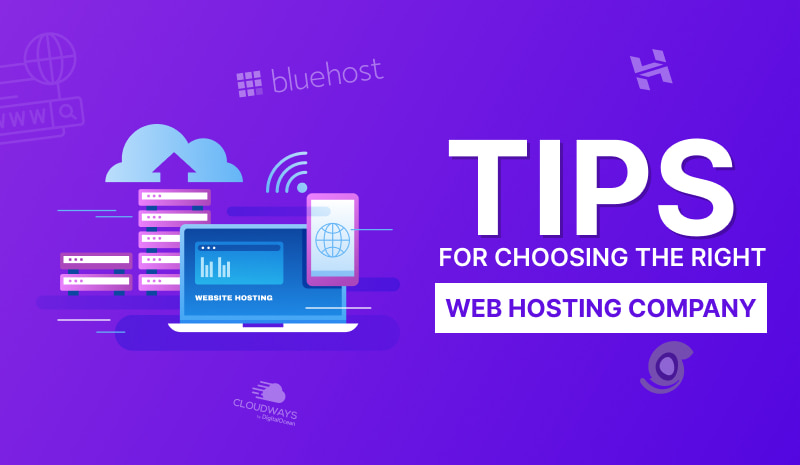
Choosing a reliable hosting plan is essential for operating a successful website. Whether you’re establishing a personal blog, an e-commerce platform, or a corporate site, selecting the appropriate hosting plan can enhance performance, boost scalability, and reduce costs.
The web hosting market is expansive and competitive, making it both exciting and challenging for consumers. Consider these data points to understand the scope and growth of the industry:
| Total websites worldwide | Over 1.5 billion |
| Active hosting providers | Approximately 330,000 |
| Shared hosting market share | 35% |
| Website hosting market (2025) | $75.71 billion |
| Projected growth (2025) | $137.01 billion |
How to Choose the Right Web Hosting Provider
As more businesses and individuals go online, the demand for robust and cost-effective hosting solutions is increasing. This surge has resulted in numerous choices, each made to meet specific needs and budgets. However, not all plans are the same, so let’s explore how to choose the best budget-friendly hosting plan:
Step 1: Understand Different Hosting Types
There are 4 primary types of web hosting- Shared Hosting, VPS (Virtual Private Server) Hosting, Dedicated Hosting, and Cloud Hosting. Each type offers a unique balance of resources, control, and cost, making them suitable for different kinds of websites and user needs.
Here’s a quick breakdown of the 4 types of hosting:
-
Shared Hosting
Shared hosting is the most beginner-friendly and budget-conscious option. In this setup, multiple websites share the same server, which keeps costs low. It’s perfect for personal blogs or small businesses that don’t expect high traffic. Despite its limitations, shared hosting is an excellent starting point for those new to website creation.
-
VPS Hosting (Virtual Private Server)
VPS hosting offers a middle ground between shared and dedicated hosting. While you still share a physical server, each website is allocated its virtual partition with dedicated resources. This ensures better performance and reliability compared to shared hosting. VPS is ideal for growing websites that need more control but aren’t yet ready to invest in dedicated hosting.
-
Dedicated Hosting
Dedicated hosting provides an entire server exclusively for your website. This means unmatched performance, full customization options, and maximum reliability. It’s a go-to choice for high-traffic websites or those running resource-intensive applications, such as large e-commerce platforms. The downside? It’s expensive and often requires technical expertise to manage effectively. If your website is critical to your business, the investment in dedicated hosting can pay off with seamless user experiences.
-
Cloud Hosting
Cloud hosting takes scalability and reliability to a new level by distributing your website’s data across multiple servers. This ensures that your site remains online even if one of your servers experiences issues. Cloud hosting is great for websites with variable traffic or those planning for rapid growth. Costs can vary based on usage, but the flexibility and resilience make it a popular choice for modern businesses. Plus, its pay-as-you-go model often helps avoid overspending on unused resources.
Comparison Table
| Hosting Type | Best For | Pros | Cons | Cost Range |
| Shared Hosting | Beginners, small websites | Affordable, easy to manage | Limited resources, performance issues | $2.50 to $15/month |
| VPS Hosting | Growing websites | Dedicated resources, better scalability | Higher cost, needs technical knowledge | $20 to $80/month |
| Dedicated Hosting | High-traffic, resource-heavy sites | Full control, unmatched performance | Expensive, requires expertise | $100 to $500/month |
| Cloud Hosting | Websites with variable traffic | Scalable, reliable, flexible pricing | Cost variability can be complex | $10 to $200/month |
Step 2: Identify Your Hosting Needs
Ask yourself:
- What is my website’s purpose? If it’s a personal blog or portfolio, shared hosting is ideal. For a business site, consider VPS or cloud hosting for better performance. If you’re launching an e-commerce store, prioritize security and scalability; VPS or dedicated hosting is recommended.
- How much traffic am I expecting? Shared hosting can handle up to 50,000 monthly visitors, while VPS and cloud hosting are better for higher volumes. If you’re just starting, shared hosting is fine. But if you expect viral traffic or run ads, choose scalable options like VPS or cloud hosting.
- Confused about which VPS hosting platform to choose? Read about the 15+ Best VPS Hosting Providers to get more insights.
- What technical features do I need? Look for SSD storage for speed, free SSL certificates for security, and automated backups for data protection. If you’re using WordPress, ensure the host supports one-click installs and caching tools.
- What’s my budget? Start with a plan that fits your initial budget, but also check renewal rates, which are often higher.
Step 3: Choose Trusted Hosting Platforms
We’ve shortlisted some trusted, high-performing platforms that consistently deliver value, reliability, and support. Hostinger, Bluehost, SiteGround, Cloudways, and WP Engine stand out for their unique strengths and customer satisfaction. You can also save on hosting plans and check exclusive coupons, including the latest Hostinger deals.
We chose these platforms based on their performance benchmarks, user-friendly features, and flexible pricing models suitable for beginners and developers managing high-traffic sites. Here’s a table for a proper breakdown of the platforms:
| Platform | Best For | Starting Price | Key Features |
| Hostinger | Beginners, small businesses | $2.99/month | Affordable, user-friendly, free SSL |
| Bluehost | WordPress, small startups | $2.95/month | Recommended by WordPress, great support |
| SiteGround | Business websites, developers | $2.99/month | Google Cloud infrastructure, fast servers |
| Cloudways | Developers, scaling websites | $11/month | Managed cloud hosting, pay-as-you-go |
| WP Engine | High-traffic WordPress sites | $25/month | Managed WordPress hosting, robust support |
| OVH Cloud | Global reach, scalability | $1.34/month | Advanced DDoS protection, SSD storage, and flexibility |
Step 4: Consider Smart Money-Saving Tips
Choosing the right hosting plan doesn’t have to break the bank. Here’s how you can save:
- Use GrabOn to save money on OVH Cloud and other hosting providers. You can also read up on OVH Plans and benefits for more details on the platform.
- Most platforms offer discounts for the first term but charge higher renewal fees. Check both before committing.
- Paying annually instead of monthly often comes with significant discounts.
- Many hosts include free SSL certificates, domain names, and website builders in their packages.
- Begin with a shared hosting plan and upgrade as your website grows.
- Only pay for features you’ll use, such as premium email hosting or advanced analytics.
- For more information, read our blog on 10+ Ways to Save Money on Web Hosting.
Step 5: Performance Metrics to Evaluate
- Compare introductory rates with renewal rates to avoid unexpected costs later.
- Choose annual billing to unlock bigger discounts than monthly plans.
- Look for free SSL, domain, and website builder in hosting packages.
- Start with shared hosting and upgrade only when your site grows.
- Look for hosts with 99.9% uptime guarantees and features like SSD storage, caching, and CDN support. These directly impact your SEO and user experience.
- Check if the platform provides 24/7 support via chat, phone, or email
- Skip add-ons you don’t need, like premium email or analytics tools.
Why should you choose a hosting platform?
Choosing a hosting platform is a critical step for establishing an online presence, whether you’re running a personal blog, e-commerce store, or business website. Here’s why selecting the right hosting platform matters:
1. Performance and Speed
A hosting platform determines how quickly your website loads, which directly impacts user satisfaction and search engine rankings. Features such as SSD storage, caching, and content delivery networks (CDNs) ensure faster delivery of content, thereby minimizing latency. A fast website keeps visitors engaged, reduces bounce rates, and supports global accessibility for better overall performance.
2. Reliability and Uptime
Hosting platforms guarantee uptime, with most offering 99.9% or higher to ensure consistent availability. Downtime can damage your reputation and revenue. Reliable providers use redundant servers, failover mechanisms, and continuous monitoring to prevent outages, ensuring your site remains online even during unexpected issues.
3. Scalability
As your website grows, hosting needs increase. Scalable platforms offer easy upgrades, such as moving from shared hosting to VPS or cloud hosting. These solutions let you accommodate higher traffic, additional features, or more storage without disrupting your site’s performance.
4. Security
Cyber threats are ever-present, and hosting platforms provide crucial defenses. Firewalls, SSL certificates, malware scans, and DDoS protection secure your site and user data. Regular backups and active monitoring safeguard against data loss or breaches, ensuring peace of mind and compliance with regulations.
5. Customization and Features
Hosting platforms offer customized solutions: shared hosting for simple websites, VPS for mid-level control, or dedicated servers for large-scale operations. Features like one-click CMS installation and advanced tools like SSH or staging environments allow customization to meet your unique needs.
8. Global Reach
Platforms with multiple global data centers and CDNs ensure faster access for international users. These features reduce latency and enhance website performance, making them ideal for businesses targeting diverse geographic audiences.
9. Compliance and Scalability
Platforms that follow laws like GDPR or HIPAA offer encrypted databases, secure servers, and data logs, helping you meet your legal obligations. This ensures user trust and compliance, which are critical in today’s privacy-focused environment.
10. Reputation and Reviews
Established hosting providers have a proven track record, as reflected in customer reviews and expert evaluations. Their services are tested for reliability, speed, and support quality, giving you confidence in their capabilities and helping you make an informed decision.
11. Expert Support and Managed Services
A good hosting platform provides expert customer support specialized in website and server issues, ensuring quick resolution of problems without requiring deep technical knowledge from you. Managed hosting services, like those offered by Hostinger, include automated backups, security monitoring, software updates, and staging environments, allowing you to focus on your website content and growth while the host handles the technical upkeep and security.
Wrapping Up
Choosing a hosting plan is an important decision that impacts your website’s performance and growth potential. By understanding your needs, exploring top platforms, and using money-saving strategies, you can find a reliable hosting solution that fits your budget. Start small, stay flexible, and scale as your online presence grows.
Have any questions about hosting? Drop a comment or reach out to us for personalized recommendations!
Frequently Asked Questions
Can I host my website?
Yes, you can host your website either by using a web hosting service or setting up your own server. Hosting services like Hostinger and Bluehost are user-friendly and take care of the technical setup, while self-hosting requires a strong understanding of servers and networking.
Is web hosting profitable?
Web hosting can be profitable, especially if you operate as a reseller or own a hosting company. With businesses and individuals needing websites, the demand for hosting services remains high. However, profitability depends on efficient management and competitive pricing.
Is Hostinger monthly or yearly?
Hostinger offers both monthly and yearly plans. While monthly plans provide flexibility, yearly subscriptions often come with great discounts, making them more cost-effective in the long run.
Which type of hosting is best for beginners?
Shared hosting is the best choice for beginners due to its affordability and ease of use. It has basic features and minimal technical requirements, making it ideal for personal blogs, small business websites, or portfolios.
What is the best company to host your website?
For most people starting a blog or small business in 2026, Hostinger is currently the top choice. It stands out because it balances very low prices with fast speeds and a dashboard that is actually easy for beginners to navigate. Heavy hitters like SiteGround are famous for having the absolute best customer support, and Bluehost is recommended for WordPress.
What factors should be considered when selecting a hosting provider?
When picking a provider, look closely at speed and uptime (how often your site stays online). You want a host that guarantees your site is up 99.9% of the time and uses modern technology like SSDs to keep pages loading fast. Also, check the renewal price, as many hosts offer a cheap first year but triple the cost later. Finally, ensure they include security basics like a free SSL certificate (the little padlock in the browser) and 24/7 chat support.
Which is better, GoDaddy or Hostinger?
In a direct comparison, Hostinger wins for most users because it is significantly cheaper and generally faster. GoDaddy is a massive, well-known company that is great if you want to keep your domain name and website in one place, but they often charge extra for things Hostinger gives you for free, like security backups and SSL certificates.