7 Effective Discount Pricing Strategies to Increase Sales

Over 60% of US shoppers say a good discount can instantly sway their buying decision. That shows how powerful a well-planned discount pricing strategy can be. Discounts do more than catch attention. They also help drive repeat purchases, improve conversion rates, and clear out slow-moving inventory.
But not every discount strategy works the same way. Some create short-term spikes in sales while others build long-term customer loyalty. The key is to understand the pricing psychology behind what makes shoppers feel they are getting real value.
7 Most Successful Discount Pricing Strategies
Below, we’ll look at 7 proven discount pricing strategies and some real-world examples that show how e-commerce and retail brands can use them to increase their sales and keep customers coming back.
1. Percentage-Based Discount Pricing
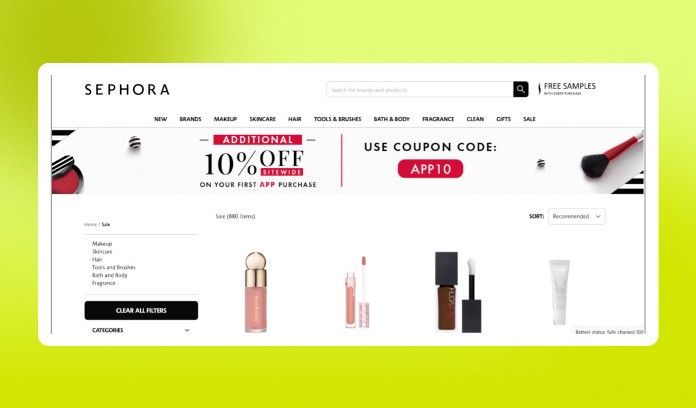
When shoppers see “20% off” or “50% off,” their brains instantly register savings. This type of offer is simple and easy to execute, which is why nearly every major retailer uses it.
Research by InsideBE shows that shoppers respond best to percentage discounts when prices are higher, as it helps them quickly evaluate the savings without having to calculate the actual dollar amount. It triggers instant perceived value.
Examples:
- Sephora runs “20% off Everything” events during its Beauty Insider Sale, generating massive traffic and record-breaking conversion spikes each season.
- Nike regularly launches “Up to 40% Off” campaigns for members during product drops or clearance events, balancing volume sales with exclusivity.
- H&M promotes “25% off One Item” via email to draw repeat traffic from its loyalty base.
This discount pricing strategy works best for sitewide sales, seasonal promotions, and clearance periods where you want to drive quick volume and capture shopper attention across multiple categories.
2. Buy One, Get One (BOGO) Offers
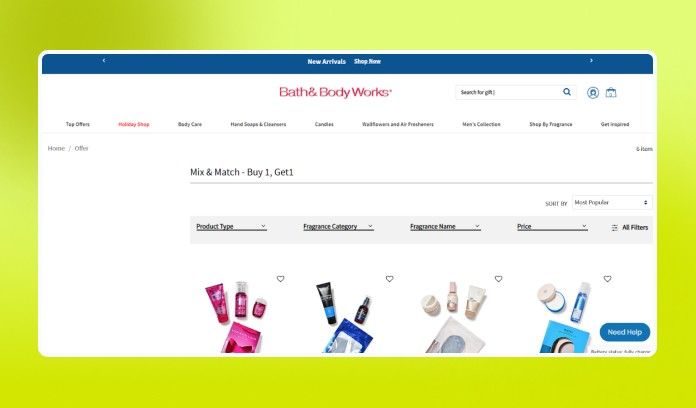
BOGO deals are classic and still powerful. They help clear stock while preserving brand value by framing it as an upgrade, not a markdown.
BOGO appeals to fairness and reward psychology. Sometimes, people prefer something extra over a plain discount. It feels like a deal with more payoff.
Examples:
- Bath & Body Works has built an empire around “Buy 3, Get 3 Free” promotions, creating a sense of urgency and significantly boosting basket sizes. Find verified Bath & Body Works coupons to stack extra savings during these events.
- Domino’s Pizza runs “Buy One, Get One Free” on Tuesdays, a key driver of weekday traffic and online orders.
- Old Navy frequently offers “Buy One, Get One 50% Off” on denim and basics, which doubles cart size while keeping margins steady.
BOGO offers are especially effective for fast-moving products like cosmetics, snacks, and fashion items that shoppers tend to pick up in multiples.
3. Tiered Discounts (Spend More, Save More)
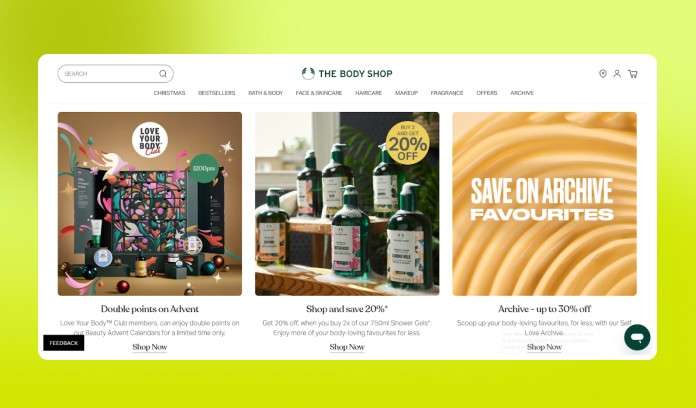
Tiered discounts motivate customers to spend a little extra to reach the next saving tier. It’s essentially a subtle upselling strategy disguised as a deal.
The thing is, people are naturally driven by a sense of progress. The closer they feel to reaching a goal, the more motivated they become to complete it. According to the Journal of Marketing Research, this is known as the goal-gradient effect.
In shopping, tiered discounts use the same idea. When customers notice they’re only a few dollars away from a higher discount, they tend to add more items to their cart to reach the next level of savings.
Examples:
- Ulta Beauty runs “Spend $50, Get $10 Off” and “Spend $100, Get $20 Off” events tied to its reward program, which consistently raises average order values.
- The Body Shop uses “Spend $60, Get 20% Off” tiers during the holiday season, helping move higher-margin gift sets.
- Old Navy promotes “Spend $75, Get 25% Off” campaigns that make customers add one more item to reach the threshold.
This approach is a good fit for brands with medium to high average order values that want to encourage shoppers to add more items to their cart during promotions.
4. Flash Sales and Limited-Time Discounts
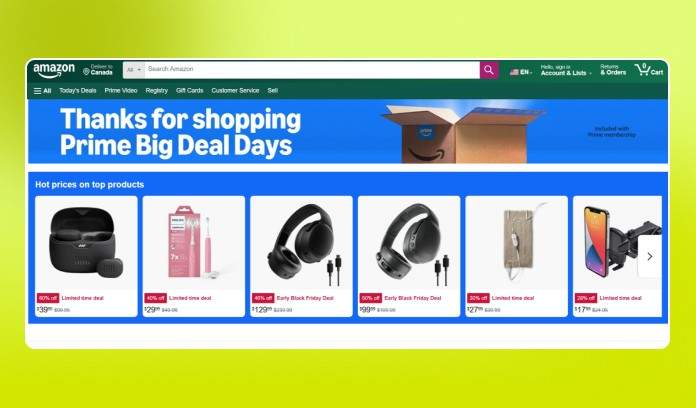
Flash sales thrive on urgency. They prompt customers to act quickly, pushing them from “thinking” to “buying” before time runs out.
Research shows that scarcity cues, such as countdown timers and “only a few left” messages, increase a sense of urgency and push customers to act faster. These signals make shoppers feel the opportunity is limited, which often leads to quicker purchase decisions.
Examples:
- Amazon Prime Day 2025 was the company’s biggest event ever, generating $24.1 billion in sales through limited-time deals and exclusive offers. For ongoing offers, explore verified Amazon promo codes available year-round.
- Macy’s uses “One Day Sale” events to drive both foot traffic and digital conversions.
- Fashion Nova runs surprise “70% Off Sitewide for 24 Hours” flash sales, promoted heavily on social media to create viral engagement.
This strategy helps e-commerce and retail brands build hype or excitement around their sales while clearing out seasonal inventory faster and keeping customers engaged.
5. Bundle Pricing (Value-Based Discounts)
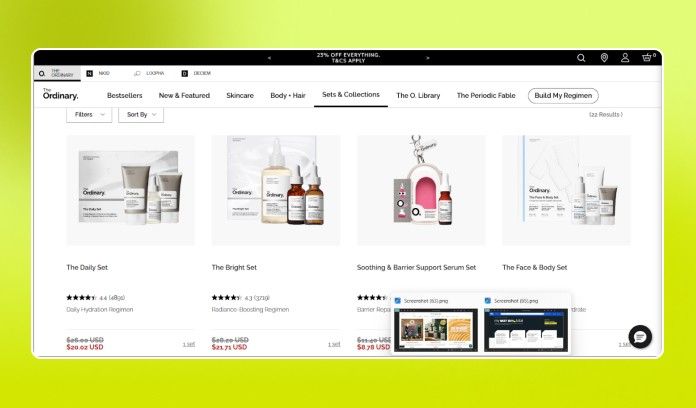
Bundle pricing packages related products at a combined price lower than the price of buying them separately. What this essentially does is increase perceived value while helping introduce lesser-known products.
According to Harvard Business Review, bundling works because it simplifies decision-making and reduces “choice overload.” Customers feel like they’re getting a curated deal.
Examples:
- Apple’s Back-to-School promotions typically include a complimentary pair of AirPods with eligible MacBook or iPad purchases, adding perceived value without discounting the main product.
- The Ordinary offers discounted skincare bundles like “The Bright Set” and “The Balance Set” to introduce new users to multiple products, build familiarity and ultimately drive repeat purchases.
- HelloFresh uses bundle pricing by offering discounted meal kits for first-time users, positioning it as “more for less.”
It’s especially effective for brands with complementary products like skincare, electronics, and home goods.
6. Loyalty and Member Discounts
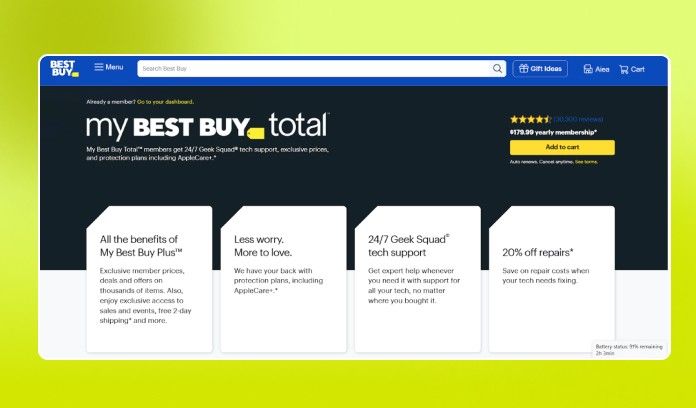
Reward programs are the backbone of long-term retention. Exclusive discounts make members feel valued and build brand loyalty.
Loyalty programs trigger reciprocity. When customers get rewarded, they naturally feel inclined to return. Data from Bond Brand Loyalty shows 77% of consumers are more likely to stay with brands that offer strong loyalty benefits.
Examples:
- Starbucks Rewards offers members complimentary drinks, birthday perks, and double-star days, turning purchases into points that keep customers coming back.
- Sephora Beauty Insider tiers offer discounts like 10%, 15%, and 20% based on annual spending, creating aspiration-driven loyalty.
- Best Buy TotalTech members receive exclusive discounts and priority service, reinforcing trust and repeat purchase behavior. Use Best Buy coupons for extra value on your next tech upgrade.
This strategy works best for brands focused on retaining high-value customers and gathering first-party data to improve personalized marketing.
7. Seasonal Discount Pricing Strategy
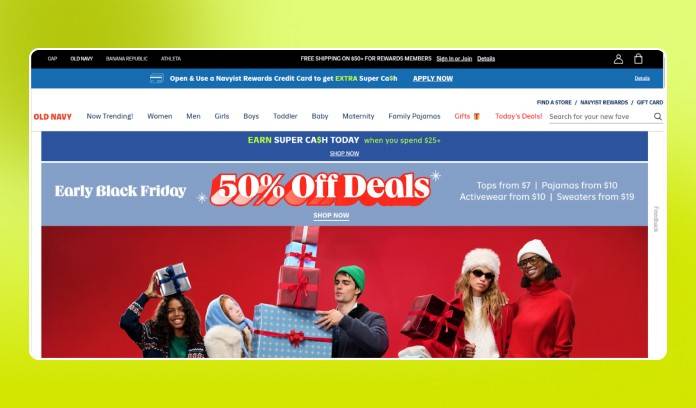
Seasonal discounting aligns perfectly with consumer psychology. During holidays or major events, customers expect deals, and those expectations drive conversions.
Retail data from the National Retail Federation (NRF) shows that holiday sales make up nearly 20% of annual retail revenue in the US, largely fueled by planned seasonal promotions.
Examples:
- Target runs major seasonal campaigns like “Black Friday Week” and “Back to School” sales to capture peak intent periods.
- Zara’s end-of-season sales create massive buzz, clearing out entire inventory cycles within days.
- Walmart’s “Rollback” pricing during holidays offers deep but time-limited discounts, maintaining customer trust in its value positioning.
It’s especially effective for retailers that rely on seasonal sales or experience major spikes during the holidays.
Bonus: Promotional Pricing Codes and Coupons
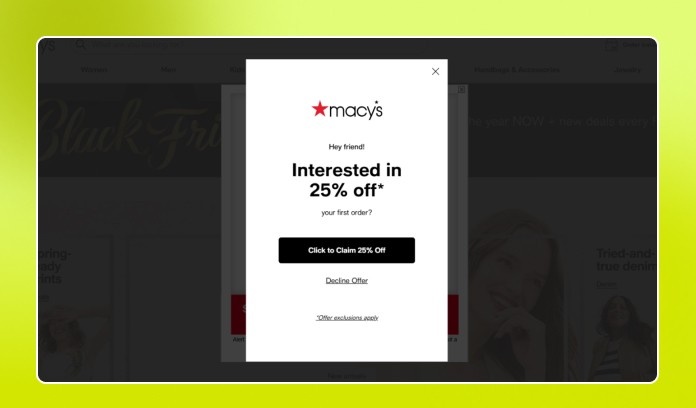
Beyond these seven strategies, promo codes and coupons deserve a special mention. They’re not just about discounts, they’re one of the most effective ways to deliver and track them. Easy to share, personalize, and measure, promo codes have become a key part of nearly every e-commerce marketing plan today.
According to GrabOn’s Coupon Marketing Statistics Report, over 60% of online shoppers actively search for promo codes before making a purchase, and redemption rates are higher when codes are short, relevant, and tied to specific campaigns.
Examples:
- Nike runs member-exclusive codes like “MEMBER20” for logged-in users.
- ASOS uses “NEW15” for first-time shoppers to encourage new signups. Save more with active ASOS discount codes for new and returning customers.
- Eco Cloth’s “GREEN10” promotes sustainability while rewarding eco-conscious buyers.
Platforms like GrabOn make it easy for shoppers to find verified promo codes and active coupons from leading e-commerce brands. In fact, nearly 90% of major online retailers now partner with coupon websites, showing just how important these platforms have become in influencing shopping behavior.
This strategy works best for e-commerce brands that grow through referral traffic, influencer collaborations, and loyalty-based customer retention.
How to Choose the Right Discount Pricing Strategy
There’s no one-size-fits-all discount formula. The most effective discount pricing strategy depends on your specific business goals, audience behavior, and product lifecycle stage. A flash sale, for instance, might boost conversions for one brand but erode margins for another. The key is to align your discount type with intent, both yours and your customers’.
Here’s a more strategic breakdown:
| Goal | Best Strategy | Why It Works (and When to Use It) |
| Attract new customers | Introductory discounts, limited-time coupons or first-purchase offers | These lower the entry barrier for hesitant shoppers and grow your email or SMS list. Combine these with referral incentives to convert new buyers into repeat customers faster. |
| Clear slow-moving or seasonal stock | Flash sales, BOGO deals, or bundle pricing | These help free up inventory without heavily slashing margins. You can bundle older items with bestsellers to maintain perceived value instead of appearing “discount-heavy.” This approach also works great for seasonal resets. |
| Increase average order value (AOV) | Tiered discounts or threshold-based offers | People love hitting goals. If they’re just a few dollars away from the next discount tier, most will add another product to qualify. Personalized pop-ups like “You’re $8 away from 20% off” can boost basket sizes instantly. |
| Retain loyal customers | Member-only discounts or loyalty tiers | Exclusive discounts make customers feel recognized, not targeted. Offering early access or personalized offers based on purchase history is far more effective than sending generic coupons. |
| Launch or test new products | Introductory pricing or curated bundles | A small launch discount helps remove uncertainty for first-time buyers. Combine it with UGC incentives like a discount for reviews or photos to generate organic buzz without overspending on ads. |
| Recover abandoned carts | Personalized time-sensitive codes | Sending a follow-up within 24 hours with a subtle nudge like “Still thinking about it?” plus a small discount can recover up to 20% of abandoned carts. |
Pro Tips for Choosing the Right Discount Pricing Strategy
- Use your data wisely. Look beyond conversion rates. Track repeat purchases, lifetime value, and even coupon misuse. These tell you whether discounts are helping or hurting your brand long-term.
- Segment your audience. New vs old customers respond differently to the same offer. Reward loyal shoppers differently from first-time visitors. Behavioral targeting always wins.
- Avoid creating discount fatigue. If customers start waiting for deals, your full-price sales will suffer. Mix in loyalty points, freebies, or bundled value instead of constant markdowns.
- Test and iterate. Run A/B tests with different discount depths and timeframes. Sometimes, shortening a flash sale from 48 hours to 24 can double urgency and conversions.
- Keep the message consistent. Align your email, website banners, and social ads so customers see the same offer everywhere. Mixed signals confuse shoppers and dilute urgency.
Common Mistakes to Avoid with Discount Pricing
Even experienced retailers make mistakes with discounts. Here are a few to watch out for:
- Discounting too often. Constant markdowns kill urgency and hurt your brand’s long-term value.
- Running generic offers. A “10% off” for everyone rarely works. Personalize your deals based on customer type or purchase history.
- Ignoring profitability. Always calculate your break-even point before setting discount levels. Big traffic means nothing if your margins vanish.
- Not tracking results. If you can’t measure which discount worked, you’re guessing, not optimizing.
- Forgetting the story. Discounts should tie into an occasion, event, or reason, and not look like yet another sale thrown in to fill the calendar.
Final Thoughts
At the end of the day, the right discount strategy should make sense for both your numbers and your customers. Plan it with purpose, test it often, and always aim for value over volume. Remember, discounts aren’t just about slashing prices. They’re about building trust, rewarding loyalty, and keeping your brand top of mind. When implemented thoughtfully, the right pricing strategy can boost sales, strengthen customer relationships, and create long-term growth that goes far beyond a single sale.
FAQs on Discount Pricing Strategies
What is a discount pricing strategy?
A discount pricing strategy is the plan behind how and when a brand offers discounts. The point isn’t just to cut prices but to do it with purpose, maybe to attract new customers, clear stock, or reward loyalty.
What kind of discount works best for new customers?
Simple ones. Things like “15% off your first order” or “free shipping for new users.” Keep it easy to understand and make sure it feels welcoming, and not like a trick to collect data. The best first-time discounts get people to try your brand without hurting long term value.
How often should a retailer run a discount campaign?
Less is more. Running big discounts too often can condition customers to wait for the deal. A better approach is to schedule intentional discount periods like seasonal events, product launches or inventory clearances, and communicate clearly that they’re special. This helps maintain full-price sales and brand perception while still leveraging the power of discounts.
Why do some discounts fail to increase sales?
Some discounts fail to increase sales, usually because they weren’t planned properly. Either the offer was confusing, the timing was off, or it didn’t feel like real value. If people think a product is always discounted, they lose interest. Discounts only work when they feel worth acting on.
How do I know which discount strategy fits my store?
Look at your data. If your problem is traffic, try limited-time or first-purchase offers. If people fill carts but don’t check out, test a small exit discount or free shipping. If you want to reward loyalty, run member-only events. Match your discount to what’s actually holding back sales.