6 Best Rideshare Apps in New York City

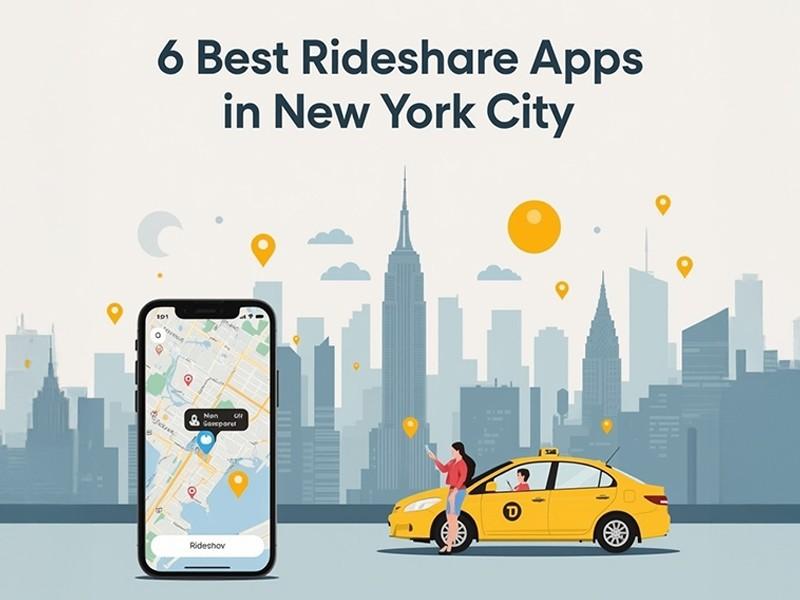
Ever wondered how New Yorkers manage to get around in a city that never slows down?
Traveling through New York City can be overwhelming, with millions of residents and visitors looking for transportation daily. According to the New York City Department of Transportation, over 120,000 rideshare trips occur daily, reflecting the popularity of app-based services. This figure reflects the high demand for app-based transportation services like Uber, Lyft, Via, and others in NYC’s dense urban environment. Whether you’re a daily commuter or an occasional traveler, these 6 rideshare platforms stand out for their unique features, pricing, and convenience.
1. Uber
Founded in 2009 in San Francisco, Uber revolutionized the transportation industry and now operates in over 10,000 cities globally. With over 93 million monthly active users worldwide and a strong presence in NYC, Uber remains the most popular rideshare app. In NYC alone, Uber boasts approximately 80,000 active drivers, making it a reliable choice for residents and visitors alike.
Unique Features:
- Ride tiers like UberX (affordable), UberXL (for larger groups), and Uber Black (luxury).
- Advanced safety features, including route tracking and driver background checks.
- Cashless payments with options for fare splitting.
Pricing:
- UberX: $1.11 base fare + $0.94 per mile + $0.26 per minute.
- Uber Black: The base fare starts at $7.
- Surge pricing applies during high demand, increasing costs by up to 2-3 times.
2. Lyft
Launched in 2012 and headquartered in San Francisco, Lyft is a community-focused alternative in the U.S. rideshare market. With over 20 million active users and a network of 2 million drivers, it has carved a niche for those seeking eco-friendly and budget-conscious transportation. In NYC, Lyft operates with around 60,000 drivers, ensuring widespread coverage.
Unique Features:
- Lyft Line for carpooling, reducing costs and emissions.
- Lyft Green for environmentally friendly rides in electric or hybrid vehicles.
- Seamless in-app tipping for drivers.
Pricing:
- Standard Lyft: $1 base fare + $0.90 per mile + $0.25 per minute.
- Shared rides offer savings of up to 30%.
- Surge pricing is capped for transparency.
3. Curb
Curb modernizes NYC’s iconic yellow taxis by connecting riders digitally. With partnerships with over 50,000 licensed drivers nationwide, it’s a trusted platform for hailing a traditional taxi in real-time. In NYC, Curb integrates with more than 13,000 yellow taxis, making it an accessible choice for commuters.
Unique Features:
- Book rides in advance or hail yellow taxis through the app.
- No surge pricing ensures consistent fares.
- Payment options include in-app credit card payments and tipping.
Pricing:
- Follows NYC taxi meter rates: $3 base fare + $0.50 per 1/5 mile + $0.50 per minute in traffic.
- Additional charges apply for peak hours or overnight rides.
4. Arro
Arro, introduced in 2015, bridges the gap between technology and traditional transportation. Focused on simplicity, Arro integrates NYC’s yellow taxis and black car services, offering users predictable and reliable options for their rides.
Unique Features:
- Efficient matching with available taxis and black cars.
- No surge pricing for consistent and predictable rates.
- Easy payment integration for yellow cab rides.
Pricing:
- Standard NYC taxi meter rates.
5. Via
Founded in 2012 in New York City, Via has redefined shared transportation by offering affordable, pre-set routes for commuters. With over 100,000 rides completed daily worldwide, Via is a favorite for those seeking economical and eco-friendly options.
Unique Features:
- Focus on shared rides to optimize routes and reduce costs.
- Flat-rate pricing based on pre-set routes, not time or distance.
- Reduced emissions through ride-sharing.
Pricing:
- Flat rates range from $5-$7 for short trips.
- No surge pricing, even during busy times.
6. Revel
Founded in 2018 in Brooklyn, Revel combines luxury and sustainability with its fleet of all-electric Teslas and rentable mopeds. It has quickly become a standout choice for eco-conscious travelers looking for unique, flexible commuting options.
Unique Features:
- Fleet of Tesla Model Ys for rideshare services.
- Electric mopeds for rent, ideal for short commutes.
- Hourly rentals and convenient app-based booking.
Pricing:
- Tesla rides: $3 base fare + $1.50 per mile.
- Mopeds: $5 for the first 20 minutes, then $0.35 per minute.
Top Rideshare Apps in NYC: Comparison Table
| Platform | Fleet/Drivers | Base Fare | Per Mile Cost | Surge Pricing |
| Uber | 80,000 drivers | $1.11 | $0.94 | Yes |
| Lyft | 60,000 drivers | $1.00 | $0.90 | Capped |
| Curb | 13,000 yellow taxis | $3.00 | $0.50 (per 1/5 mile) | No |
| Arro | 20,000 taxis & black cars | $3.00 | $0.50 (per 1/5 mile) | No |
| Via | Thousands of drivers | $5.00 | N/A | No |
| Revel | 300 Teslas & 1,000 mopeds | $3.00 | $1.50 | No |
Factors to Consider When Choosing a Rideshare App
When choosing a rideshare app in New York, it’s important to know more about the platforms. Each app offers unique features for specific needs, such as cost, convenience, and safety. The decision ultimately depends on your priorities, whether it’s affordability, availability, or advanced features like eco-friendly rides. Here’s a breakdown of the key factors to guide your choice:
- Evaluate the base fare, service charges, and potential for surge pricing during peak hours.
Example: While Uber often has higher surge rates, apps like Via or Gett provide flat-rate pricing, making them budget-friendly during rush hours. - Not all apps serve every neighborhood or borough equally. Consider the app’s operational area and wait times.
Example: Lyft and Uber are widely available across NYC, but Curb integrates with NYC taxis, which might be better for less accessible areas. - A user-friendly interface with clear pricing, real-time tracking, and payment options can make a big difference.
Example: Via’s app is user-friendly, focusing on shared rides with minimal navigation complexities. - Look for apps with safety measures such as driver background checks, in-app emergency buttons, and ride-sharing details.
Example: Uber includes a “Verify Your Ride” feature, and Lyft has a 24/7 safety support line. - Some apps cater to specific needs, like luxury rides, carpooling, or wheelchair-accessible vehicles.
Example: Lyft offers a “Lux” option for premium rides, while Via specializes in affordable shared rides. - For environmentally conscious users, apps with hybrid or electric vehicle options are ideal.
Example: Uber Green allows you to choose an eco-friendly ride. - Apps often run promotions for first-time users or provide discounts for repeat customers.
Example: Lyft has a loyalty program that offers points redeemable for future rides, making frequent rides more affordable. - Apps that treat their drivers fairly often provide a better experience overall, as it reflects in service quality.
Example: Juno (when operational) was known for prioritizing driver compensation, creating a positive environment for both riders and drivers. - Many rideshare apps now integrate with public transit or bike-sharing services, making it easier to plan commutes.
Example: Uber’s app shows public transit schedules alongside ride options, while Lyft integrates with Citi Bike in NYC, giving you more flexibility to combine ridesharing with other transport modes.
How to Save Money on Ridesharing in NYC
Ridesharing has become an essential part of navigating New York City, offering convenience and flexibility in a city that never sleeps. However, frequent rides can quickly add up, making it important to find ways to save. From comparing fares across apps and using promo codes to opting for shared rides and avoiding peak hours, there are plenty of strategies to reduce costs. Whether you’re a daily commuter or an occasional user, these tips will help you make the most of ridesharing without overspending.
1. Compare Prices Across Multiple Apps
Fares can vary significantly between rideshare apps for the same route. Before booking a ride, take a moment to check the prices on multiple apps like Uber, Lyft, and Via. Some apps may offer competitive rates or special deals for specific times or areas, helping you save money. By consistently comparing, you can identify the app that works best for your budget and routine.
2. Take Advantage of Promo Codes and Discounts
Rideshare apps frequently offer promotional codes to attract new users or retain existing ones. For example, you might receive $5 to $10 off your first ride or discounts during special events. Keep an eye out for seasonal offers or referral bonuses where you and a friend can both earn credits. You can also check GrabOn for verified and updated Uber coupon codes and Lyft deals.
3. Opt for Shared Rides
Shared rides are an excellent way to save money, as you split the fare with other passengers heading in the same direction. Apps like Via and Lyft Line are designed specifically for cost-effective carpooling, often charging lower rates than solo rides. Though it may slightly increase your travel time, the savings on each trip can add up, especially for frequent riders.
4. Avoid Peak Hours
Surge pricing can dramatically increase ride costs during busy periods like rush hours, holidays, or bad weather. To avoid paying more, plan your rides during off-peak times, such as mid-mornings or late evenings. Apps like Gett are known for their flat-rate fares, even during peak demand, making them a reliable choice to avoid unexpected price hikes.
5. Utilize Subscription Plans
Many rideshare apps offer subscription plans that reduce per-ride costs or provide other benefits. For instance, Lyft’s Pink membership gives users priority pickups, a 15% discount on all rides, and free cancellations within a specific timeframe. If you’re a frequent user, these plans can be a cost-effective way to manage your rideshare expenses.
6. Leverage Loyalty Programs
Loyalty programs reward frequent riders with points that can be redeemed for ride credits or discounts. Lyft Rewards, for example, allows users to earn points for every dollar spent, which can later be used for discounts or priority rides. Participating in these programs ensures that every ride contributes to future savings, making them ideal for regular commuters.
7. Use Alternative Payment Methods
Many rideshare apps partner with digital wallets to offer exclusive discounts and cashback deals. For example, certain credit cards may provide cashback on rides booked with Uber or Lyft, and PayPal often runs limited-time offers with these apps.
8. Schedule Rides in Advance
Scheduling a ride ahead of time can help you lock in a lower fare, particularly if you’re traveling during a period prone to surge pricing. Uber’s “Schedule a Ride” feature, for example, allows you to plan trips and avoid price fluctuations. This option is especially helpful for airport rides or other time-sensitive trips.
9. Walk or Use Public Transportation for Part of the Journey
Combining public transportation with ridesharing can significantly reduce costs. For instance, you can use the subway or buses for the main part of your journey and rely on ridesharing for the final stretch. This approach is especially useful in NYC, where public transit is efficient and covers most areas, leaving ridesharing for the less accessible parts of your route.
10. Join Carpool Groups or Community Rides
Some platforms and local communities in NYC organize group rides where people heading in the same direction can share a single vehicle outside of standard app-based pooling. These rides are often arranged through community boards and social media groups on Facebook and Reddit. By splitting costs directly with fellow riders, you can save even more.
Safety Tips for Rideshare Users
Using rideshare services can be a convenient way to get around, but it’s essential to prioritize your safety during every trip. From verifying your driver’s details to sharing your trip with a trusted contact, these practical tips will help ensure a secure rideshare experience:
1. Verify Ride Details Before Boarding
Always double-check the car’s make, model, license plate number, and the driver’s name before getting into a vehicle. This information is provided in the app and ensures you’re entering the correct ride. Never accept rides from drivers who approach you directly without using the app.
2. Share Your Trip Details
Most rideshare apps, like Uber and Lyft, allow you to share your trip details with family or friends. Use this feature to keep someone informed about your location and expected arrival time, giving them peace of mind and an easy way to check on your safety.
3. Sit in the Back Seat
When riding alone, sitting in the back seat provides a safer distance from the driver and allows for an easy exit from either side of the vehicle. This is particularly important if you need to leave the car quickly in an emergency.
4. Use the App’s Emergency Features
Familiarize yourself with the emergency tools provided by your rideshare app. For instance, Uber has a “911 Assistance” button that instantly shares your location with emergency services. Knowing how to use these features can be critical in an urgent situation.
5. Trust Your Instincts
If something feels off, trust your gut and take action. Cancel the ride if the driver makes you uncomfortable or displays suspicious behavior. Don’t hesitate to end the trip early if you feel unsafe and move to a public or well-lit area.
6. Keep Personal Information Private
Avoid sharing personal details, such as your home address, work location, or phone number, with the driver. If possible, set your drop-off location to a nearby landmark rather than your exact destination, especially for rides to your residence.
7. Rate and Report After Every Ride
Most rideshare apps allow you to rate your driver and provide feedback. If you experience anything concerning during the trip, report it through the app immediately. Your feedback helps improve safety standards and alerts the company to potential issues.
Conclusion: Which Rideshare App is Right for You?
Each rideshare app in NYC offers unique advantages for different needs. Uber and Lyft stand out for their widespread availability and diverse ride options, Via excels in affordable shared rides, and Curb provides seamless integration with yellow taxis. Your ideal choice depends on factors such as budget, route, and preferences. Don’t hesitate to try multiple apps to find the one that fits your lifestyle best, whether it’s for daily commutes, eco-friendly rides, or late-night convenience.