

Reverb Coupons & Promo Codes 2026
Best 14 Coupons & Offers last validated on October 23rd, 2026
- All (14)
- Offers (14)
Existing User
- All (14)
- Offers (14)
95%
OFF
Grab Up To 95% OFF On Pro Audio And Recording
- Purchase Pro Audio and Recording on your orders at a discount of up to 95% OFF.
- Products are speakers, microphones, recorders, mixers, power amplifiers, and more.
- Manufacturers include JBL, Yamaha, Samson, Zoom, Roland, and others.
- Get FREE delivery and returns on a few items from the store.
90%
OFF
Up To 90% OFF On Guitar Pedals And Effects
- Get up to 90% OFF on Guitar Pedals and Effects on your orders.
- categories are distortion, fuzz, delay, amp modeling, and more.
- Brands are Boss, Dig Teach, Dunlop, Fender, and more available.
- Avail FREE shipping on selected products from the store.
90%
Off
Shop Now & Enjoy Up To 90% OFF On Drums And Percussion
- Shop Drums and percussion are up to 90% OFF discount on your orders.
- Types are cymbals, acoustic drums, electronic drums, auxiliary percussion, and others.
- Masterwork, Pearl, Apex, Honor, Mama, Yamaha, and more brands are among them.
85%
OFF
Up To 85% OFF On Keyboards and Synths - Limited Time Offer
- Acquire Keyboards and Synchs up to 85% OFF on the items you purchase.
- Components include workstations, accessories, digital pianos, organs, and more.
- There are several brands, including Doepfer, Word, Arturia, Waldorf, Casio, and Moog.
- Get complimentary delivery and exchanges on a number of the store's items.
| Discount | Up To 85% OFF |
| Eligible For | Keyboards & Sytnths |
| Benefits | Free Shipping |
| Valid For | All Users |
Reverb Discounts & Offers
75%
OFF
Save Up To 75% On Electric Guitars
- Obtain electric guitars up to 75% OFF on the items you buy.
- Semi-hollow, archtop, lap steel, baritone, and more types are available.
- Brands including Yamaha, Gibson, Epiphone, Schecter, and others are offered.
- Receive FREE shipping and returns on a few items from the store.
70%
OFF
Get Acoustic Guitars At Unbeatable Prices - Up To 70% OFF
- Purchase acoustic guitars and save up to 70% OFF from the reverb
- Specialties include dreadnought, concerts, arctop, tenor, and more.
- Companies are Fender, Oscar Schmidt, Ovation, Frames, and others.
- On a few items from the store, get FREE shipping and returns.
60%
OFF
Pedalboards & Power Supplies - Up To 60% OFF
- Grab up to 60% off on pedalboards & power supplies
- The price starts at $30
- Free shipping is available on all orders
60%
OFF
Up To 60% OFF On Selected Gear
- Celebrate Memorial Day with incredible savings of up to 60% off on a wide range of selected gear.
- Discover unbeatable deals on high-quality products, including electronics, outdoor equipment, fashion accessories, and more.
- Upgrade your collection with top brands and enjoy substantial discounts, making it the perfect time to indulge in your favorite hobbies.
50%
OFF
Up To 50% OFF On New Gear
- You can save up to 50% OFF on brand-new equipment when You buy it from Reverb.
- Instruments like electric guitars, amps, pro audio, bass guitars, and other similar items.
- Famous brands include Fender, Gibson, Taylor, Yamaha, Boss, Martin, and others.
- Avail FREE shipping & returns on all products from the store purchases.
50%
OFF
Up To 50% OFF On Recording Gear
- Exciting news for all the music producers and recording enthusiasts out there!
- Reverb is currently offering jaw-dropping discounts of up to 50% off on a wide range of recording gear.
- Whether you're setting up a home studio or need professional equipment, this deal is a game-changer.
50%
OFF
DJ & Audio Gear - Up To 50% OFF
- Grab up to 50% off on DJ & audio gear
- The price starts at $20 only
- Valid for all users
40%
OFF
Upgrade Your Music Gear With Up To 40% OFF On Bass Guitars
- Save up to 40% OFF on bass guitars from the reverb on your orders.
- Active electronics, short-scale, fretless, and other types belong to them.
- Brands including Fender, Squire, Yamaha, Jackson, and others are offered.
Refer a Friend and Get $10 Each
- Receive $10 OFF your first purchase when you refer a friend to Reverb.
- You will receive $10 if they spend $50 or more as well.
- Give your friends access to the above referral link.
SHIPPING
Enjoy Free 2-day Delivery On All Orders
- Buy sound equipment in-store and get FREE 2-day delivery.
- Electric guitars, pedals, Strymon cloudburst, and other instruments are offered.
- Reverb offers the best selections of musical instruments and equipment.
Latest Reverb Promo Codes & Offers For Oct 2026
| Category | Reverb Coupon Codes & Discounts |
|---|---|
| DJ Equipment | Up To 50% OFF |
| Acoustic Drums | Up To 40% OFF |
| Electric Guitars | Up To 30% OFF |
| Keyboards & Synths | Up To 25% OFF |
| Pro-Audio Speakers | Best Price |
More Ways to Save on Reverb
- Use the make-an-offer feature. Most Reverb listings have an “Make an Offer” button. Sellers on Reverb are generally motivated to move gear and will often accept 10 to 15% below asking, especially on items that have been listed for 30 or more days. This is the highest-impact individual savings tool on the platform.
- Filter by “On Sale” within categories. Each major category on Reverb has a sale filter. When you are browsing electric guitars or synthesizers, apply the “On Sale” filter to see listings where the seller has explicitly marked a price reduction from the original list price. This is faster than scanning individual listings for discount indicators.
- Compare used condition grades. Reverb’s condition system grades gear as Mint, Excellent, Very Good, Good, and Fair. A guitar in “Very Good” condition typically has very minor cosmetic wear with no functional issues. The price difference between “Mint” and “Very Good” on the same model can be 15 to 25%, and for most players the functional difference is zero.
- Watch specific listings. Reverb lets you “Watch” a listing to get notified when the price drops or when a similar item appears. If you have a specific piece of gear in mind, watching the listing is more effective than repeatedly searching. You will know the moment the seller lowers the price without doing anything.
- Referral credit. Share your Reverb referral link with friends who have not used the platform. When a referred friend makes their first purchase of $50 or more, you receive a $10 credit. The referred friend also gets $10 off their first eligible order. Access your referral link through your Reverb account settings.
- Check GrabOn for active Reverb codes. Reverb occasionally releases promotional codes, particularly for new buyers or around major sale events. GrabOn verifies these codes before posting and updates the Reverb page regularly. Any active promo code will appear there before it appears on most other coupon sites.
How to Buy on Reverb at the Lowest Price
Getting the best price on Reverb involves a few specific steps that take advantage of how the marketplace functions. Unlike a standard retail checkout, Reverb rewards buyers who research, compare, and negotiate.
- Search for your target gear and sort by Price: Low to High within your condition range. Set condition filters to “Excellent” or “Very Good” unless you specifically need Mint or are buying vintage collectible-grade. Sorting by low price within a condition range shows you the floor price for comparable listings. This is your baseline for any offer you plan to make.
- Check the seller’s profile and feedback score. Reverb displays each seller’s total completed transactions and feedback percentage. Before making an offer or clicking Buy Now, verify the seller has at least 10 to 20 completed transactions and a feedback score above 98%. New seller accounts with zero transactions are higher risk regardless of listing price.
- Check the Deals and Steals section for the same item. Before making an offer on any listing, check whether the same model appears in Reverb’s Deals and Steals section at a lower already-marked price. If a $900 guitar appears in Deals and Steals at $680, that is a better starting point than making an offer on a $950 listing.
- Make an offer 10 to 20% below the asking price. Most sellers on Reverb expect offers. An opening offer of 15% below asking is standard and will result in acceptance or a counter-offer rather than an outright decline in most cases. If the listing has been live for more than 30 days (check the listing date), sellers are more motivated to accept lower offers.
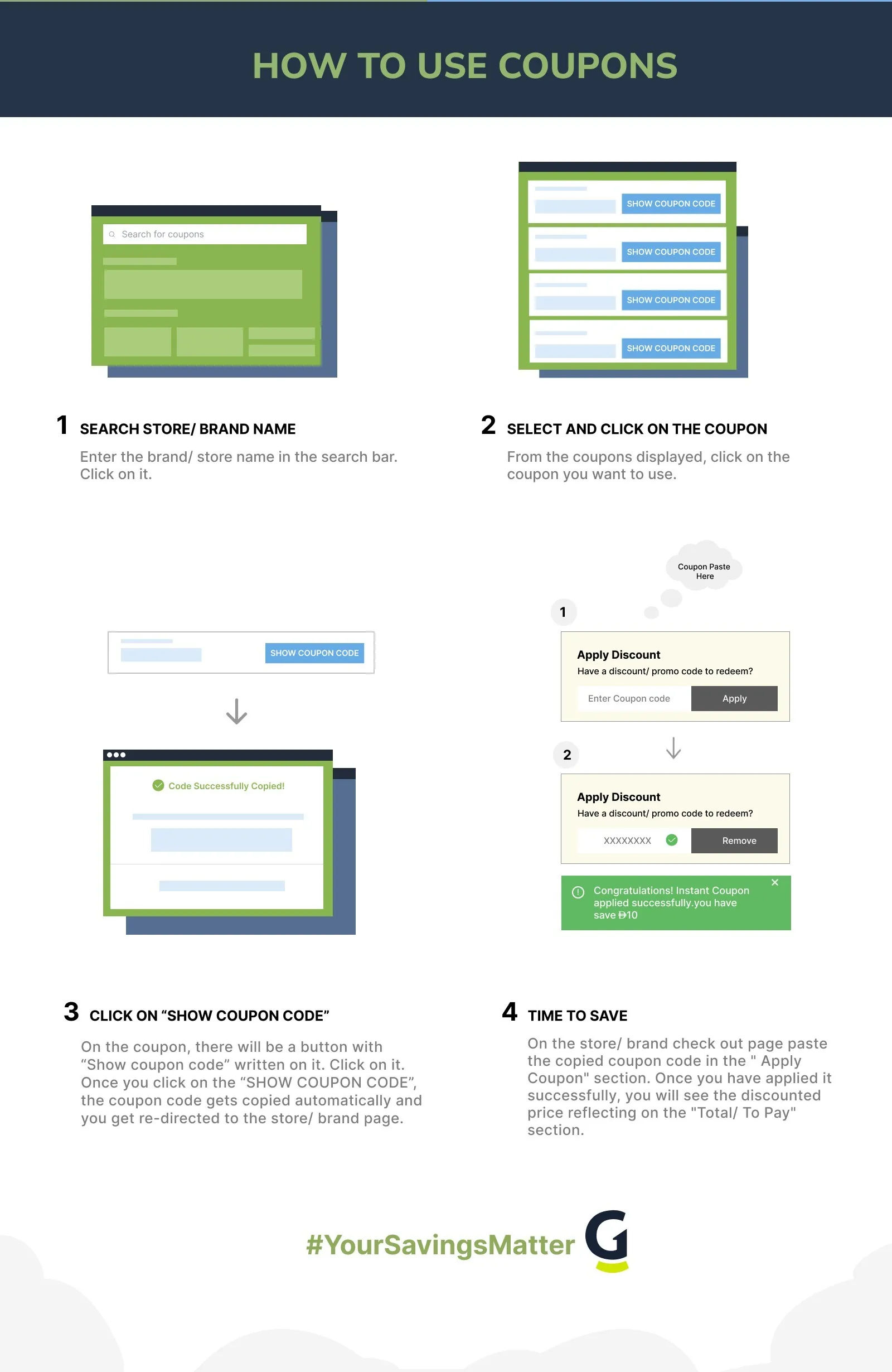
- Apply any active Reverb promo code at checkout. If GrabOn lists an active Reverb promo code, apply it during checkout. The promo code field appears in the order review step before payment. Not all codes apply to used gear or specific categories, so read the terms on the GrabOn listing before assuming it works on your specific order.
- Activate a cashback portal before your final purchase. Reverb is sometimes listed on cashback portals. If your portal of choice covers Reverb, activate the cashback session before clicking through to finalize your purchase. Cashback runs independently of any promo code you apply.
- Confirm Buyer Protection coverage on your purchase. Reverb Buyer Protection gives you 7 days after delivery to report damage, non-delivery, or items that significantly differ from the listing description. You do not need to do anything to enroll. It applies automatically on all eligible transactions. Use this window to fully inspect a guitar, keyboard, or amp before the coverage period closes.
Reverb Code or Deal Not Working?
Reverb is a marketplace, which means most “deals” come from seller pricing rather than platform-wide coupon codes. When a Reverb code fails at checkout, here are the most common causes:
- Promo code is for new buyers only. Many Reverb codes target first-time buyers. If you have made a previous purchase, the code will not apply to your account. Fix: Use the referral credit instead, which works for all accounts when the referral condition is met.
- Code is expired. Reverb promotional codes have short windows. Fix: Check GrabOn for the currently active Reverb code. The listing shows the last verified date.
- Code does not apply to this seller’s listing. Some Reverb codes exclude used gear or specific categories. Fix: Check the code terms on the GrabOn Reverb page. If the exclusion covers your item, the make-an-offer approach on the listing is the alternative.
- Minimum order amount not met. Some codes require a minimum cart total. Fix: Check the GrabOn listing for the minimum, then adjust your order or combine with another item if close to the threshold.
- Code already used. Most Reverb promo codes are one-per-account. Fix: Get a fresh code from GrabOn.
- Account region mismatch. Reverb operates in multiple countries. A code issued for US accounts may not apply to non-US seller transactions or cross-border purchases. Fix: Confirm you are on the US version of reverb.com.
- Offer declined before code applied. If you made a counter-offer exchange with a seller and the accepted offer is processed before you reach the standard checkout, the promo code field may not appear in the same way. Fix: For Buy Now purchases (no offer), the promo code field appears normally at standard checkout.
- Referral credit not credited. The $10 referral credit requires the referred friend to complete a purchase of $50 or more. Fix: Check your Reverb account credit balance. If the referred friend’s purchase qualifies but the credit has not appeared, contact Reverb support.
- Listing price changed after offer accepted. Once an offer is accepted, the final price is locked. A promo code applies at checkout on that final price. If the code requires a minimum and the offer brought the price below it, the code will not apply.
- Browser issue at checkout. Reverb’s checkout page can occasionally have display issues with certain browser extensions enabled. Fix: Disable adblockers and privacy extensions for reverb.com during checkout and retry.
Reverb Programs: How the Platform Works for Buyers
Reverb Buyer Protection
Reverb Buyer Protection covers every eligible transaction on the platform. After your item is delivered, you have 7 days to inspect it and report any issues. Covered issues include items that do not match the listing description, items that arrive damaged, and non-delivery. If your claim qualifies, Reverb arranges a return and full refund. The protection is automatic; you do not need to buy extra coverage. This is the primary trust mechanism that makes buying a vintage guitar from an individual seller on Reverb safer than buying on a general classifieds site.
No-Listing-Fee Seller Model
Reverb does not charge sellers a listing fee. Sellers pay a 5% fee on the total sale price (including shipping) only when an item sells. This low-barrier model means more gear is listed on Reverb than on platforms with listing fees, which benefits buyers through more selection and competitive pricing. When a seller knows their only cost is 5% on sale, they can set closer-to-fair-value prices and accept offers more readily.
The Referral Program
Give $10, get $10. Share your Reverb referral link with a friend who has not used the platform. When they make their first qualifying purchase of $50 or more, they get $10 off and you receive $10 credit toward your next purchase. Credits appear in your Reverb account balance and apply automatically at checkout on your next eligible order. Find your referral link in account settings under “Refer a Friend.”
Reverb Return and Buyer Protection Policy
Reverb’s core buyer protection is the 7-day post-delivery window to report issues. This is different from a standard retailer return policy. You are not returning because you changed your mind; Buyer Protection covers cases where the item is materially different from the listing (wrong condition, unlisted damage, functionality issues not disclosed by the seller) or did not arrive.
For change-of-mind returns, Reverb’s policy depends on the individual seller. Some sellers on Reverb indicate returns accepted; others mark their listings as final sale. Check the listing’s return terms before purchasing. If a seller accepts returns, the return window and shipping responsibility terms are set by the seller and displayed on the listing page.
For items covered by Buyer Protection, initiate the claim through your Reverb account within the 7-day window. Do not wait until day 8 to report a problem. Take photos of any damage or discrepancy immediately when you unbox the item. Reverb’s support team reviews claims and typically resolves them within 2 to 5 business days.
Reverb Price Drop and Cart Tactics
- Watch for seller-initiated price drops. Reverb notifies you when a listing you are watching drops in price. If you have been eyeing a specific pedal or guitar, add it to your watch list and wait. Sellers who have not received offers in 30 to 60 days frequently lower prices to generate activity. Your notification comes automatically.
- End-of-year seller clearances. Reverb sees an uptick in gear listings in late November through January, as sellers offload equipment before year-end or after holiday gift-giving adds new gear to their collection. More supply in a specific category creates downward price pressure. December through January is a strong window for buyer offers on used guitars and keyboards.
- Compare buying used to Reverb’s new listings. Reverb lists both new and used gear. New gear from authorized dealers on Reverb is sometimes priced lower than the same item at Guitar Center or Sweetwater due to lower overhead. Before assuming new gear is cheaper elsewhere, run the search on Reverb first.
- Timing offers around seller response patterns. Sellers typically respond to offers within 24 hours. If you send an offer on a Friday evening and receive no response by Saturday night, the offer has likely expired (Reverb offers expire in 24 to 48 hours). Weekday morning offers often get faster responses and completed deals. Sellers checking their accounts at lunch or after work are more available to negotiate in real time.
- Cashback stacking on Buy Now purchases. When you use Buy Now rather than the offer flow, you go through a standard checkout process where a cashback portal session can be active. Activate your cashback portal, click through to Reverb from the portal link, find your listing, click Buy Now, and complete checkout. This does not work for offer-based purchases, which have a different payment path.
- GrabOn codes on new gear listings. If GrabOn lists an active Reverb promo code, it is more likely to work on new gear from dealer listings than on individual private seller listings. Check the code exclusions on the GrabOn listing before targeting a specific item.
Similar Stores for Instrument Deals
If you cannot find the right price on Reverb, GrabOn lists deals from the major music retail alternatives. Guitar Center coupon codes cover new gear purchases with store-matching policies and occasional sitewide codes. Sweetwater deals on GrabOn are worth checking for new studio and recording gear where Sweetwater’s product support and warranty terms add value beyond price.
For general used gear at lower price points, eBay coupons on GrabOn list active deals. eBay covers a broader range of instruments than Reverb, though with less music-specific buyer protection and no offer-negotiation feature comparable to Reverb’s system. GrabOn’s musical instruments coupon codes section lists deals across all major music gear retailers in one place.
Best Time to Buy Gear on Reverb
| Timing Window | What to Expect on Reverb |
| December through January | Peak supply as sellers offload gear before year-end or after receiving holiday gifts that make their old gear redundant. More supply means more competitive pricing and better offer acceptance rates. Best window for used guitars, keyboards, and pedals. |
| Black Friday and Cyber Monday (November) | Reverb runs sitewide promotional codes and Deals and Steals expansion during this window. New gear from dealer listings sees the most movement. Check GrabOn for active codes starting the week before Thanksgiving. |
| Summer (June to August) | Consistent supply of touring and performance gear as musicians upgrade before summer festival season. Club and bar musicians often list pedals and amps they are replacing with newer rigs. |
| Back to School (August to September) | Student sellers often list beginner gear they no longer use. Good window for entry-level acoustic guitars, student keyboards, and beginner drum pads at below-average prices. |
| New product releases | When a popular guitar manufacturer or synth brand announces a new model, sellers often list the previous generation at lower prices in anticipation of demand shifting to the new version. Watch category feeds after major product announcements. |
Reverb Shopping Policies at a Glance
| Policy Area | Details |
| Buyer Protection | Automatic on all eligible transactions. 7 days after delivery to report issues. Covers item-not-as-described and non-delivery. |
| Seller Fee | 5% of total sale price (including shipping). No listing fee. Seller pays only when item sells. |
| Return Policy | Varies by seller. Check individual listing for seller-specific return terms. Buyer Protection covers qualifying issues independently of seller return policy. |
| Free Shipping | Free 2-day shipping on select items from Reverb-partnered sellers. Look for the 2-day badge on eligible listings. |
| Payment Methods | Credit/debit cards, PayPal, Affirm (BNPL). Check reverb.com checkout for current accepted payment methods. |
| Referral Program | Give $10, get $10. Referred friend must spend $50+ on their first order for both credits to activate. |
| Coupon Code Field | Appears at checkout for Buy Now purchases. May not appear in the offer-accepted payment flow. Apply codes on standard Buy Now checkout. |
| Student Discount | Not currently offered through a verified platform like Student Beans or ID.me. |
| Military Discount | Not currently offered through a verified platform. |
| Marketplace Status | Independent as of April 2025. Previously owned by Etsy (2019 to 2025). Now operated by Creator Partners and Servco. |
About Reverb
Reverb was founded in 2013 in Chicago by David Kalt, who built the platform after buying a guitar on eBay and finding the experience ill-suited to musical instruments. Reverb launched as a specialist marketplace for musicians to buy and sell new, used, and vintage gear with music-specific features like condition ratings, listening samples, and seller feedback calibrated to gear quality.
Etsy acquired Reverb in 2019 for $275 million as part of a strategy to build out a portfolio of specialty marketplaces. In April 2025, Etsy sold Reverb to Creator Partners and Servco, returning the platform to independent operation. The sale allowed Reverb to operate without the constraints of Etsy’s broader business priorities, and the platform has continued to invest in music-specific features for buyers and sellers.
Reverb lists gear across all major instrument categories: electric guitars (Fender, Gibson, Epiphone, PRS), acoustic guitars (Martin, Taylor, Fender), guitar pedals (Boss, DigiTech, Dunlop, EarthQuaker), keyboards and synthesizers (Moog, Roland, Arturia, Nord, Korg), drums and percussion (Pearl, DW, Ludwig, Mapex), pro audio equipment (Focusrite, Universal Audio, Neumann, Shure), DJ gear, bass guitars, recording gear, and vintage instruments. New, used, and vintage listings coexist in all categories.
Is Reverb Worth Using?
Best for: Musicians looking for specific gear at below-retail prices, particularly used and vintage instruments. The make-an-offer feature, Buyer Protection, and zero listing fees for sellers create a well-functioning secondary market where prices are closer to fair market value than on general platforms. If you know exactly what guitar, keyboard, or pedal you want, Reverb almost certainly has multiple listings for it at different condition grades and prices.
Be careful if: You are buying high-value vintage gear from a new seller account with no feedback history. The 7-day Buyer Protection window is generous, but it requires you to actively inspect gear and file a claim within the window. Also be careful if you need guaranteed same-day shipping. Most Reverb sellers are individuals who ship within 1 to 3 business days, not warehouses with same-day fulfillment.
Best saving move: Use the make-an-offer feature on any listing that has been live for 30 or more days. Combine that with checking the Deals and Steals section for the same model before making an offer elsewhere. If GrabOn has an active Reverb code, apply it at checkout on a Buy Now purchase for an additional discount on top of the negotiated price. For seasonal buying, December through January and Black Friday are the two best windows.
Frequently Asked Questions
- How do I use a Reverb promo code?
Reverb promo codes apply at the checkout step for Buy Now purchases. Click Buy Now on a listing, confirm the item and shipping, and look for the promo code or discount field in the order review step before payment. Enter your code and confirm the discount appears before completing payment.
Promo codes do not always appear in the same way for offer-based purchases (where you made an offer and the seller accepted). For the most reliable code application, use Buy Now on listings where you want to apply a code. Get the latest verified Reverb code from GrabOn before checkout.
- How does Reverb work?
Reverb is a peer-to-peer marketplace where individual sellers and music dealers list new, used, and vintage instruments and gear. Buyers browse listings, can make offers below the asking price on most items, and pay through the Reverb checkout. Sellers pay a 5% fee on completed sales; there are no listing fees.
Reverb Buyer Protection covers all eligible transactions and gives buyers 7 days after delivery to report issues. The platform is used by both individual musicians selling personal gear and professional dealers selling inventory at competitive prices alongside what they carry in-store.
- Is Reverb safe to buy from?
Yes, buying on Reverb is safe when you use the platform’s built-in protections. Buyer Protection applies automatically to all eligible purchases and gives you 7 days after delivery to report any significant issue with an item. Reverb holds payment and only releases it to the seller after the delivery confirmation.
The practical safety steps: check the seller’s feedback score and completed transaction count before buying, review the listing photos carefully, and inspect the item thoroughly within the 7-day Buyer Protection window. Sellers with many positive transactions and a high feedback percentage are consistently lower risk.
- What is Reverb Buyer Protection?
Reverb Buyer Protection is a guarantee that covers eligible purchases when an item significantly differs from the listing description, arrives damaged, or does not arrive at all. You have 7 days after confirmed delivery to report an issue and initiate a claim.
Coverage is automatic on all eligible transactions. No additional enrollment or fee is required. If your claim is approved, Reverb arranges a return and full refund. The 7-day window is strict, so inspect gear as soon as it arrives and report issues immediately rather than waiting. Claims filed on day 8 or later may not qualify.
- Does Reverb have coupon codes?
Yes, Reverb does issue promo codes, but they are less frequent than codes from standard retailers because Reverb is a marketplace where individual sellers set their own prices. When Reverb codes are active, they appear on GrabOn’s Reverb page with verification dates.
Most Reverb codes target new buyers or specific promotional events. The make-an-offer feature on individual listings is often more effective than waiting for a platform-wide code, as it allows direct price negotiation with the seller on the specific item you want.
- How does the Reverb referral program work?
Reverb’s referral program gives you $10 credit when a friend you refer makes their first purchase of $50 or more on Reverb. Your referred friend also gets $10 off their qualifying first order.
Access your referral link in your Reverb account settings under “Refer a Friend.” Share the link via email or direct message. The $10 credit appears in your Reverb account balance after the referred friend completes their qualifying purchase. Credits apply automatically at your next checkout. There is no limit on how many people you can refer.
- What does the Reverb Deals and Steals section contain?
Reverb’s Deals and Steals section is a curated listing of gear where sellers have explicitly marked significant price reductions from original list prices. Discounts in this section have reached up to $1,300 off stated value on higher-end instruments and equipment.
Items in Deals and Steals are seller-submitted and Reverb-curated. The section includes guitars, basses, keyboards, pedals, pro audio, and other gear categories. It is the fastest way to find already-discounted gear without browsing the full catalog. Access it via the main navigation on reverb.com or by searching “Deals and Steals” in the search bar.
- What fees does Reverb charge buyers?
Reverb does not charge buyers a platform fee or membership fee. You pay the listing price (or your accepted offer price) plus any applicable shipping cost. Payment processing fees are absorbed by the platform and not passed to buyers as an explicit checkout line item.
The only buyer cost is the item price, shipping, and any applicable taxes. Sellers pay the 5% transaction fee, which means sellers account for that cost when setting listing prices. Reverb’s buyer-side fee-free model is one of its key advantages over general auction platforms that charge buyer premiums.
- Can I sell on Reverb for free?
Yes. Reverb does not charge a listing fee. You can list any amount of gear for free. The only cost to sellers is the 5% transaction fee paid on the total sale price (including shipping) when an item sells. You pay nothing if the item does not sell.
This no-listing-fee model is the reason Reverb has more active instrument listings than platforms that charge per listing. For buyers, it means more selection and more competitive pricing because sellers do not need to price in a sunk listing cost.
- Who owns Reverb now?
Reverb is currently owned by Creator Partners and Servco, having been sold by Etsy in April 2025. Etsy had acquired Reverb in 2019 for $275 million as part of its specialty marketplace strategy.
The return to independent ownership is significant for Reverb users because it means the platform can prioritize music-industry-specific features without being subordinated to Etsy’s broader business priorities. Reverb continues to operate the same platform, same Buyer Protection, and same 5% seller fee structure under the new ownership.
- Does Reverb have a mobile app?
Yes. Reverb has iOS and Android apps available for free download. The apps allow browsing, buying, making offers, and managing seller listings from a mobile device. Some app-exclusive deals and notifications are available only through the app, so installing it is worth doing if you buy or sell on Reverb regularly.
App-only deal notifications give you faster access to price drop alerts on watched listings. When a listing you are watching drops in price, the app notification arrives faster than email. For competitive listings where timing matters, having the Reverb app installed and notifications enabled is practically useful.
- What is the best way to make an offer on Reverb?
The most effective offer strategy on Reverb is to start 10 to 15% below the asking price and include a brief personal note explaining you are ready to pay immediately. Sellers respond better to serious-sounding offers with a note than to bare price-only offers. A note saying “I play in a band and I’m ready to pay today” signals you are not a tire-kicker.
Check when the listing was created before making an offer. Items listed for 30 or more days are more negotiable. Fresh listings under two weeks old are typically held at asking price longer. If your offer is countered rather than accepted, a second counter of 5% below the asking price is usually enough to close the deal if the seller is motivated.
Filters
USER TYPES
Categories
Electronics
Musical Instruments

Coupons Info
Coupons & Offers
:14
Verified
:14
Fresh Offers You May Like
Garmin
Holiday Sale
Enjoy Up To 50% OFF On Sale Collection
Verified

Gearbest
UP TO 67% OFF
Smart Watches - Up To 67% OFF
Verified

GeekBuying
SAVE $30 OFF
Storewide Offer - $30 Off On Orders Over $400
Verified
Coupons from Similar Stores

Subscribe Now
Get The Latest & Best Coupon/Offer Alerts
